
Granada
Granada is a city defined by its dramatic physical geography and sharp cultural contrasts.
Guests & rooms
The Granada guide
An insider’s read on Granada
GGranada is a city defined by its dramatic physical geography and sharp cultural contrasts.
The city's identity is shaped by the deep layers of its Islamic past and its sudden transition to a Catholic stronghold in 1492. This historical rupture is carved into the architecture, where Renaissance cathedrals stand on the foundations of former mosques. Today, Granada functions as a energetic university town, where a massive student population injects a bohemian, rebellious spirit into ancient, conservative neighborhoods.

PLATE IGranada, Spain

Guides & ideas
The Granada reading list
Hand-written guides from our editors — itineraries, the best of after dark, where to eat, and what’s genuinely worth your time.

How to Get Inside Granada's Walled Carmen Gardens
The Albaicín hides its orchards, cisterns and fountains behind blank white walls. Here is which carmen doors actually open, when, and what it costs to walk through them.
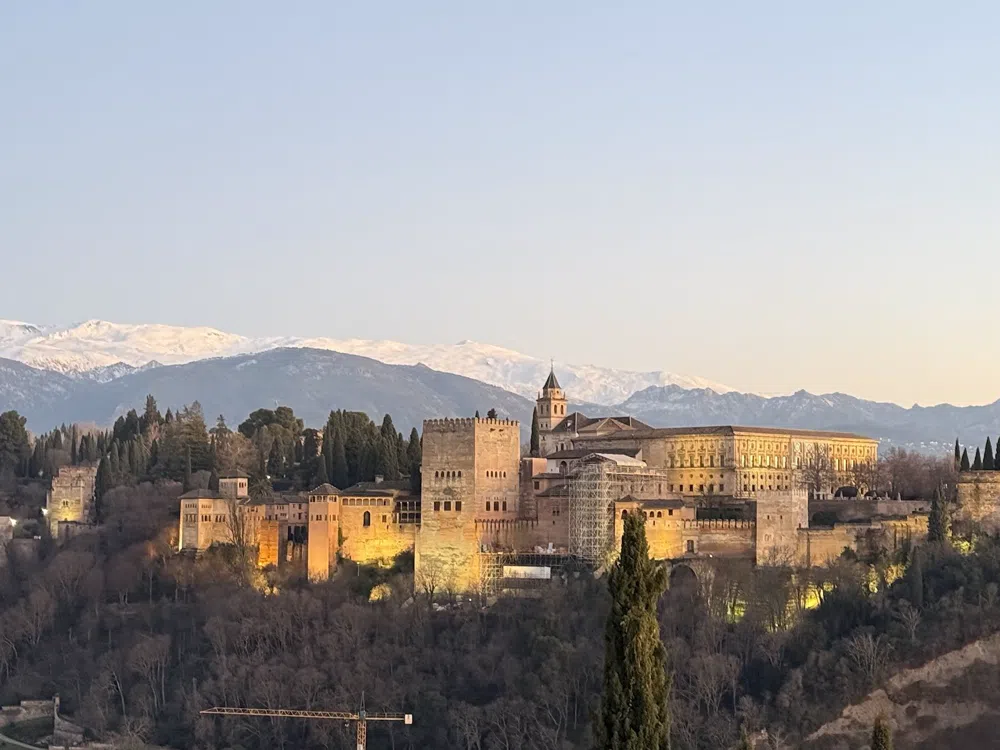
Sierra Nevada: The Ridge Above Granada
How to see Granada's mountain backdrop properly — from the miradores where it frames the Alhambra to a summer gondola ride into its snowfields.
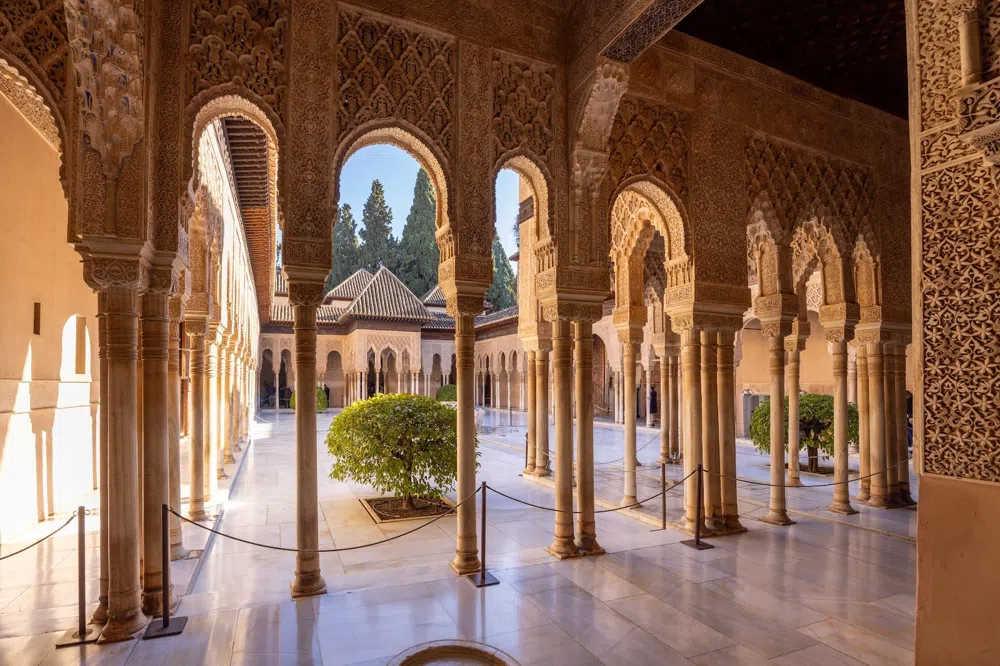
The Alhambra at Night: Nasrid Palaces Under the Moon
When the day-trippers clear out, Granada's fortress opens for a handful of quiet hours where the reflecting pools go still and the carved walls finally get to whisper.
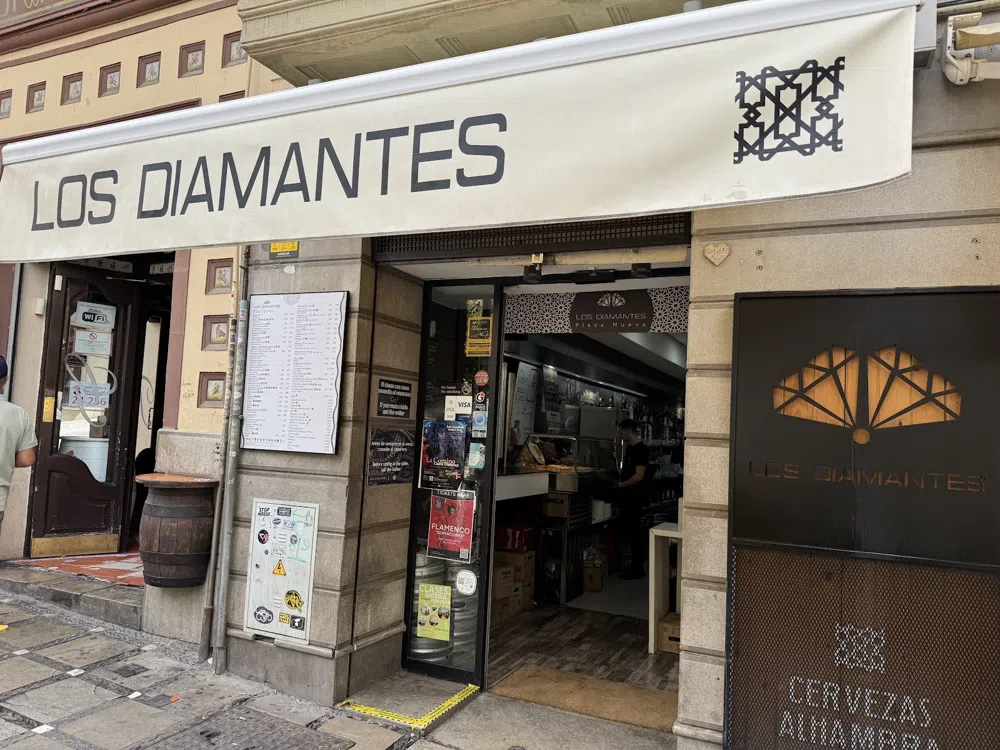
The Last Free Tapa: Inside Granada's Unwritten Bar-Hopping Ritual
In Granada the tapa still comes free with your drink — here's how to work the crawl like a local, bar by bar, without ever paying for the plate.
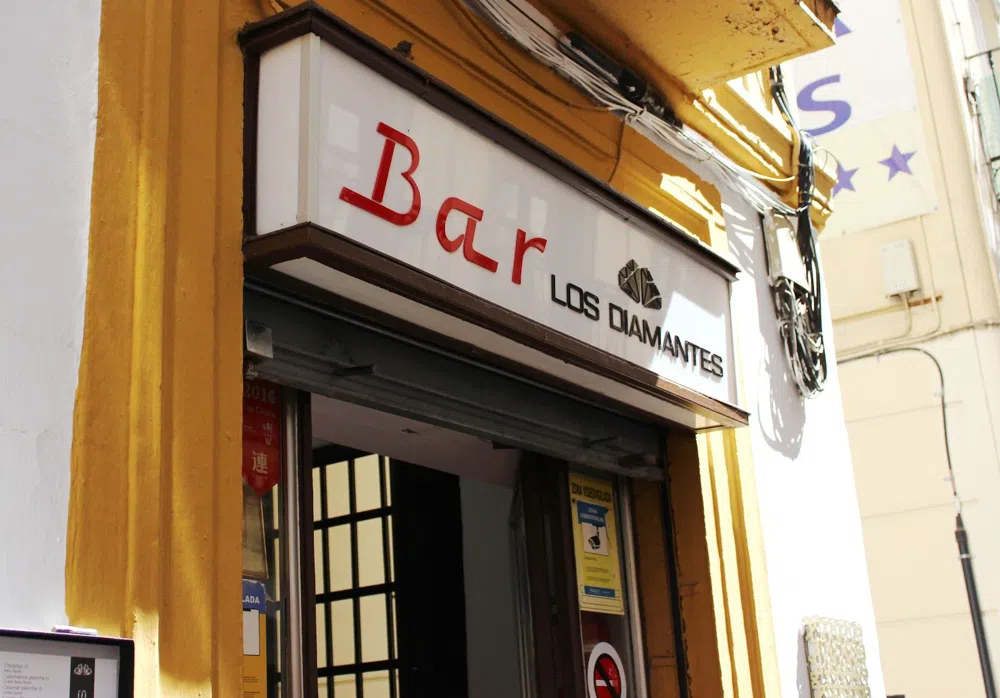
The Last Free Tapa: Inside Granada's Unbroken Bar-to-Bar Ritual
In a country where the free tapa has mostly gone the way of the peseta, Granada still feeds you for the price of your thirst — here's how to drink and eat your way across the city like a local, one plate at a time.
Where to base yourself
The neighborhoods
01
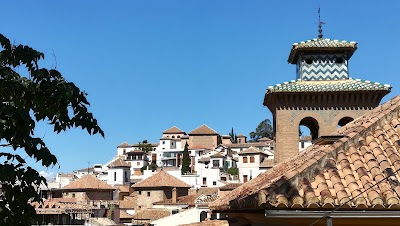
Albayzín
For Suits travelers seeking historic immersion and panoramic views of the Alhambra. The trade-off is the lack of vehicular access, meaning you must carry your luggage up steep, uneven hills.
The ancient Moorish quarter is a labyrinth of whitewashed houses, high-walled gardens, and steep stone staircases. It feels distinct from the modern city below, retaining its medieval urban layout.
Where to stay — Look for restored historic mansions (carmenes) or small boutique guesthouses centered around traditional inner courtyards.
02
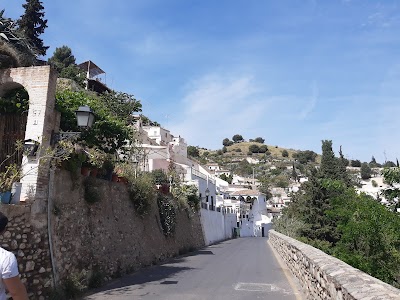
Sacromonte
For Suits those looking for a rustic, alternative atmosphere. The trade-off is that it is isolated from the city center, requiring a long uphill walk or reliance on the microbus.
The traditional Roma quarter, famous for its whitewashed cave dwellings carved directly into the hillside. It is dry, dusty, and echoes with the sounds of flamenco.
Where to stay — Unique cave hotels and rustic guesthouses offer a cool retreat from the summer heat.
03
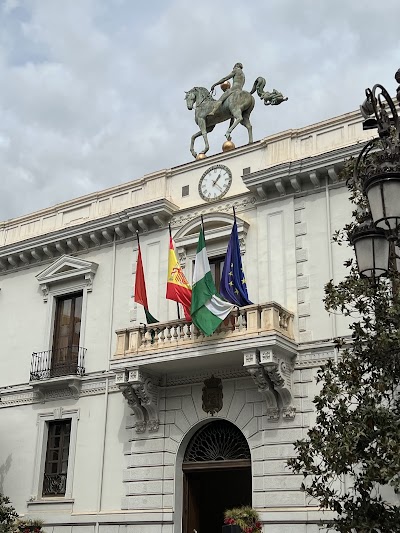
Centro / El Sagrario
For Ideal for first-time visitors who want flat streets, easy transit access, and proximity to shopping and dining. The trade-off is the lack of medieval charm and higher noise levels.
The commercial and civic heart of the city, dominated by grand 19th-century boulevards, busy plazas, and monumental Renaissance architecture.
Where to stay — Modern business hotels, upscale boutique properties, and serviced apartments.
04
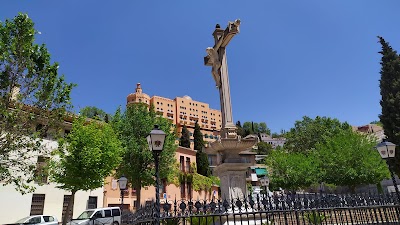
Realejo
For Suits travelers who want a local, creative vibe that is close to the center but less tourist-heavy than the Albayzín. The trade-off is that some streets are still quite steep.
The former Jewish quarter is now a bohemian neighborhood where grand historic villas meet vibrant street art, trendy cafes, and quiet residential plazas.
Where to stay — Chic boutique hotels and independent apartments tucked away in quiet alleys.
05
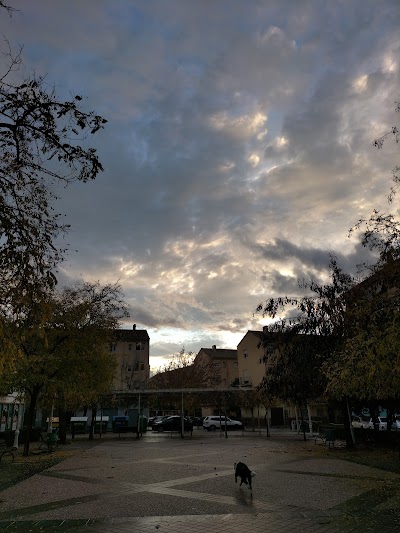
La Chana
For Perfect for budget travelers and food enthusiasts looking for the most generous free tapas culture in the city. The trade-off is the complete lack of historic monuments and the distance from the center.
A working-class residential district located northwest of the center, characterized by mid-century apartment blocks and a lively, unpretentious atmosphere.
Where to stay — Mainly budget apartments and simple guesthouses geared towards students.
06
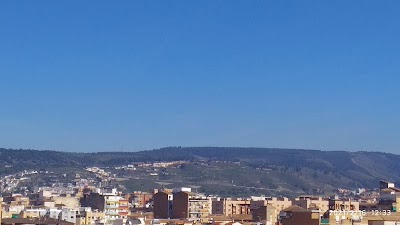
Zaidín
For Suits business travelers, sports fans, or those attending music festivals. The trade-off is that it feels like a generic modern Spanish suburb, requiring a bus or metro ride to reach the historic sights.
A modern, sprawling neighborhood in the south of the city, home to the football stadium, concert venues, and large residential complexes.
Where to stay — Large, modern chain hotels with amenities like parking and swimming pools.
Book direct
Book a hotel in Granada
Loading live availability and real-time prices…
Where to eat
Dining
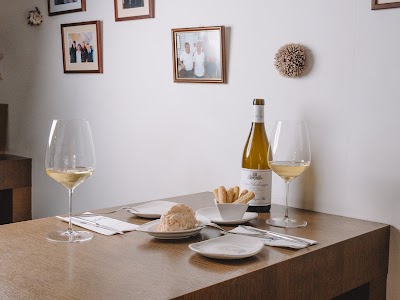
Bar FM
€€€Chana/Camino de Ronda
A legendary, unassuming tapas bar widely regarded by national chefs as serving some of the finest seafood in Spain.
Signature — Quisquillas de Motril (sweet, lightly grilled local shrimp)
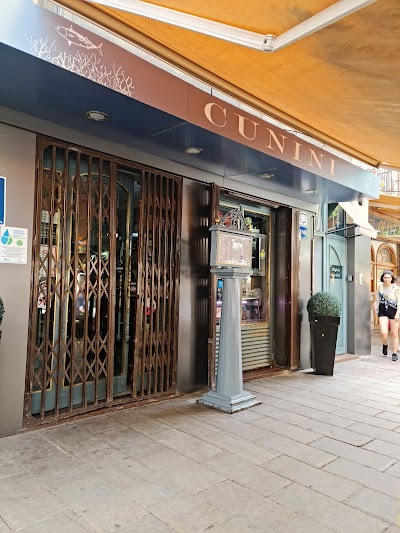
Cunini
€€€Centro
An upscale, traditional seafood institution located near the cathedral, featuring a busy marble bar and a formal dining room.
Signature — Arroz caldoso con bogavante (soupy lobster rice)

Los Diamantes
€€Centro
A raucous, standing-room-only tapas bar famous for its fast service and perfectly fried, piping-hot seafood.
Signature — Boquerones fritos (fried anchovies)
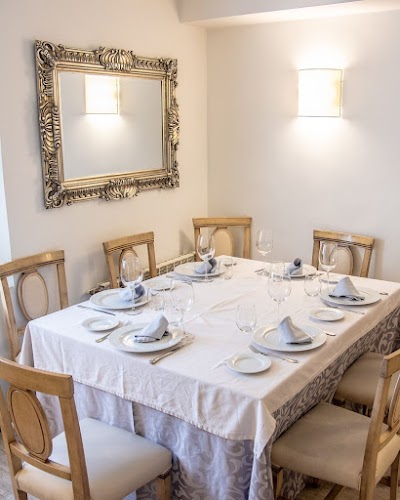
Asador de Castru
€€€Plaza de Toros
A traditional northern-style steakhouse known for sourcing exceptionally well-aged beef cooked over open coals.
Signature — Chuletón de buey (aged beef ribstake served on a hot slate)
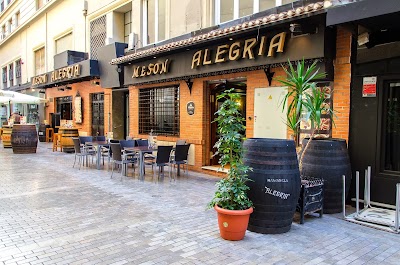
Mesón Alegría
€€Centro
A rustic tavern serving hearty Andalusian grilled meats in a traditional, wood-accented dining room.
Signature — Solomillo al whisky (pork tenderloin in a garlic and whisky sauce)
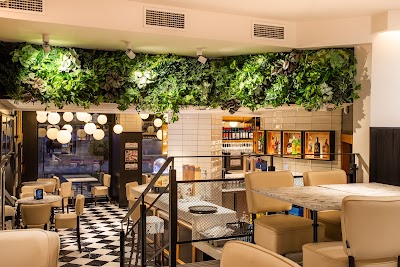
La Cueva de 1900
€€Centro
A popular local chain specializing in cured meats and grilled pork cuts, with hams hanging from the ceiling.
Signature — Secreto ibérico (grilled Iberian pork shoulder cut)
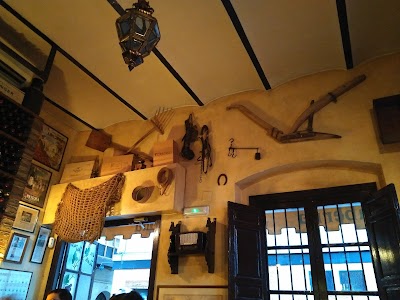
Taberna La Tana
€€Realejo
An intimate, family-run wine bar with an exceptional selection of local Andalusian wines and high-quality, simple tapas.
Signature — Salmorejo topped with jamón and hard-boiled egg
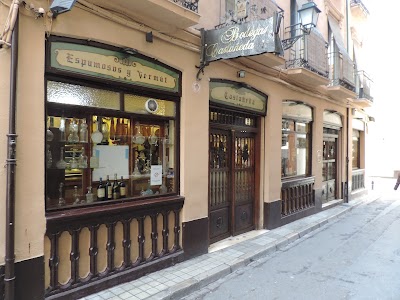
Bodegas Castañeda
€€Centro
A historic, atmospheric tavern with giant wooden barrels behind the bar, serving traditional vermouth and classic platters.
Signature — Tabla Castañeda (a mix of cured meats, cheeses, and warm stews)
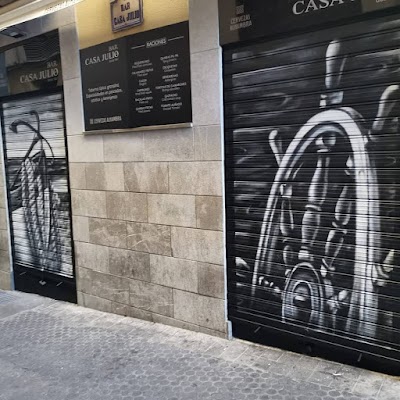
Bar Casa Julio
€€Centro
Tucked down a narrow alley, this tiny, standing-only bar has been serving excellent fried tapas since the mid-20th century.
Signature — Cazón en adobo (marinated, deep-fried dogfish)
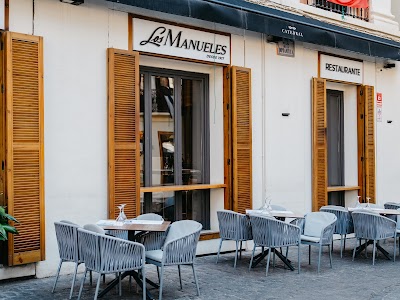
Los Manueles
€€Centro
A historic institution operating since 1917, known for its traditional recipes and lively outdoor terrace.
Signature — Croquetón de jamón (an exceptionally large, creamy ham croquette)
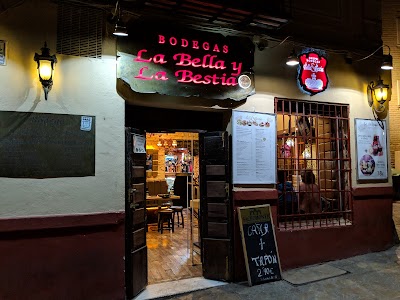
La Bella y La Bestia
€Centro
Famous among students for serving massive, mountain-sized free tapas with every cheap drink.
Signature — Mini-burgers and fries served free with a caña

Bodega Espadafor
€€Centro
An old-school tavern adorned with colorful hand-painted murals depicting historic Granada scenes.
Signature — Jamón asado (warm roasted ham slice)
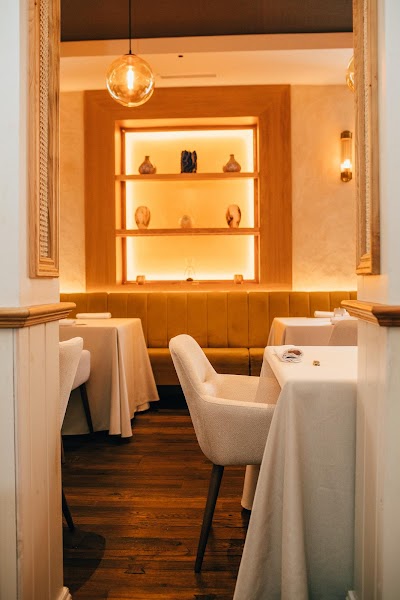
Faralá
€€€€Centro
Located near the base of the Alhambra, this restaurant offers tasting menus that pay homage to the historic culinary history of Andalusia.
Signature — Nasrid-inspired lamb with spices and honey
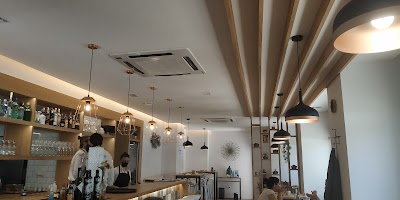
Atelier Casa de Comidas
€€€Centro
A refined, minimalist space where the chef prepares market-driven dishes with subtle international influences.
Signature — Seasonal game dishes with wild mushrooms
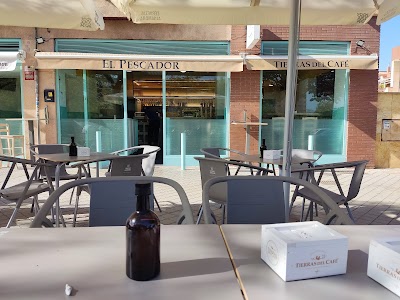
El Pescador de la Chana
€La Chana
A traditional neighborhood bar where the free seafood tapas are exceptionally generous and fresh.
Signature — Fried calamari platter
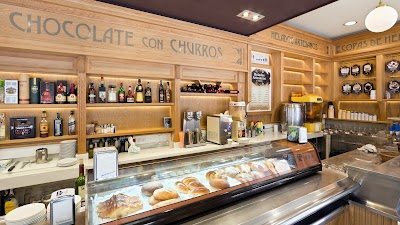
Café Fútbol
€Centro
A legendary cafe operating since 1903, perfect for a late-night or early-morning sweet treat.
Signature — Churros con chocolate
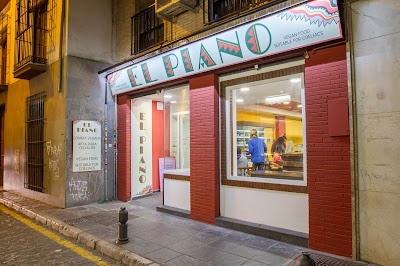
El Piano
€Realejo
A colorful, fully vegan and gluten-free restaurant serving wholesome, spiced dishes in a casual buffet-style format.
Signature — Spiced lentil patties with seasonal salads
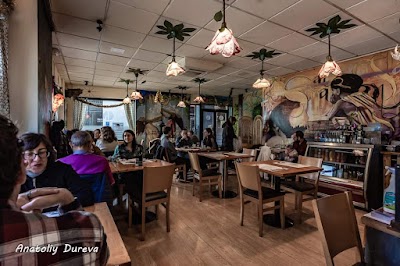
Hicuri Art Restaurant
€€Realejo
A vegan restaurant decorated with vibrant wall murals, offering a highly affordable and filling daily menu.
Signature — Vegan seitan escalope with mushroom gravy
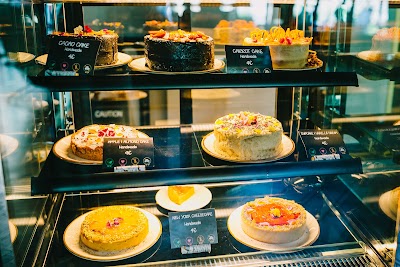
Wild Food
€€€Centro
An upscale, modern plant-based restaurant focusing on organic, nutrient-dense dishes and creative presentation.
Signature — Truffle and wild mushroom vegan pizza with activated charcoal crust
After dark
Nightlife
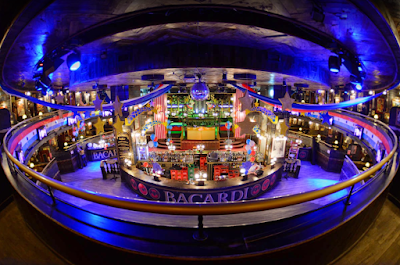
Mae West
Centro
A massive, multi-room club located inside a shopping center, featuring elaborate wooden decor and multiple music zones.

Industrial Copera
Armilla
A legendary warehouse-style venue on the outskirts of the city that has hosted top international electronic music acts for decades.

Efecto Club
Albayzín
An intimate club located in a historic building, offering an alternative to the commercial student venues.
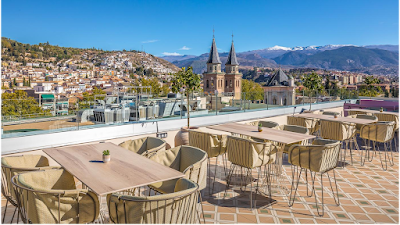
B-Heaven
Centro
Located on the roof of the Barceló Carmen hotel, offering panoramic views of the city and the Sierra Nevada.
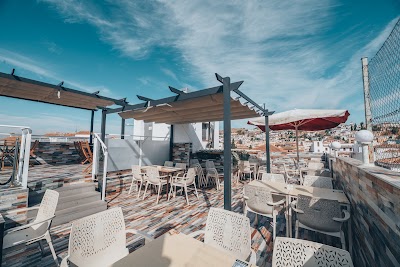
Monasterio Chill Out
Centro
A rooftop terrace overlooking the dome of the San Jerónimo monastery, perfect for sunset drinks.
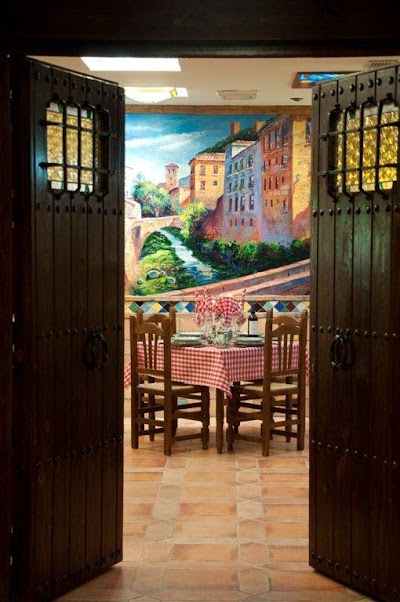
La Sitarilla
Centro
A traditional, lively bar that transitions from afternoon tapas to late-night vermouth and cocktails.

Eshavira Club
Albayzín
A legendary, hidden basement venue that is a spiritual home for flamenco artists and jazz musicians.

Lemon Rock
Centro
A trendy hostel-bar housed in a restored 17th-century patio house, hosting daily acoustic sets and indie acts.
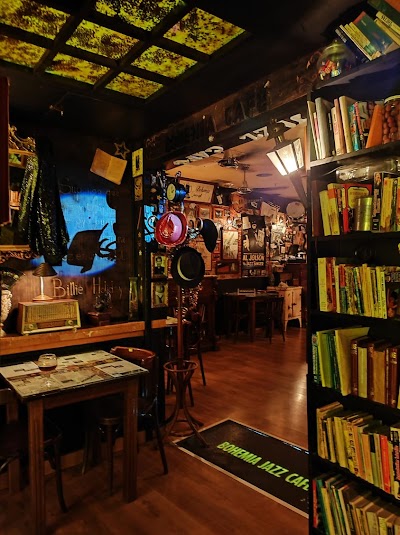
Bohemia Jazz Café
Centro
An eclectic bar filled with vintage posters, old books, and musical instruments, hosting regular live jazz.
Art & history
Culture
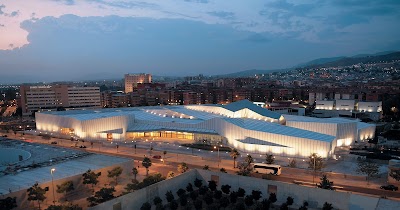
Parque de las Ciencias
Zaidín
A massive interactive science museum featuring a planetarium, a tropical butterfly house, and outdoor exhibits.
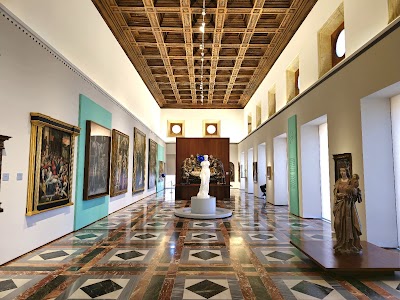
Museo de Bellas Artes de Granada
Alhambra
Housed inside the Renaissance Palace of Charles V, this museum showcases religious art and works by local artists from the 15th to the 20th centuries.
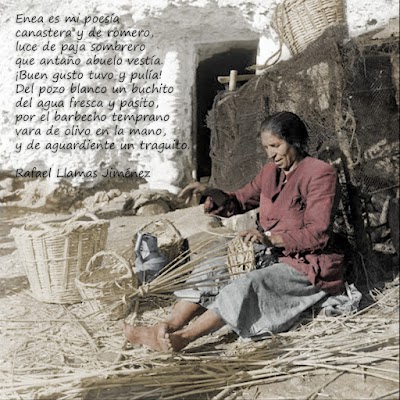
Museo Cuevas del Sacromonte
Sacromonte
An outdoor ethnographic museum set in preserved caves, explaining the history, culture, and daily life of the Sacromonte cave dwellers.
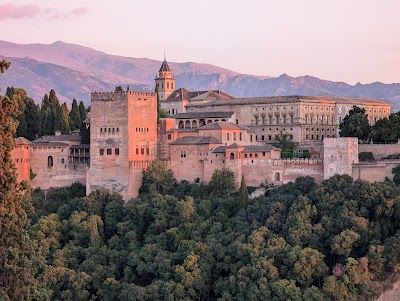
The Alhambra & Generalife
Alhambra
The world-famous Nasrid palace complex, featuring intricate stucco work, tranquil courtyards, and the summer gardens of the Generalife.
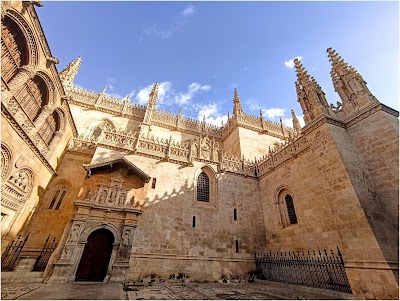
Catedral de Granada & Capilla Real
Centro
A monumental Renaissance cathedral containing the Royal Chapel, the final resting place of the Catholic Monarchs, Isabella and Ferdinand.
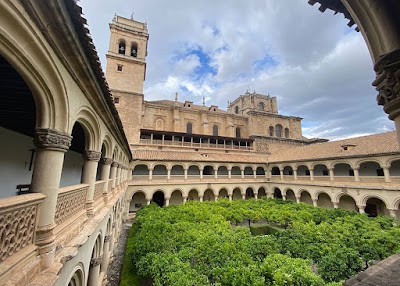
Monasterio de San Jerónimo
Centro
A stunning Renaissance monastery featuring a grand cloister planted with orange trees and an incredibly ornate church interior.
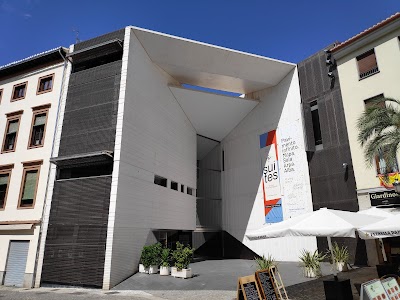
Centro Federico García Lorca
Centro
A modern cultural center dedicated to the legacy of Granada's most famous poet, hosting contemporary art exhibitions and literary events.
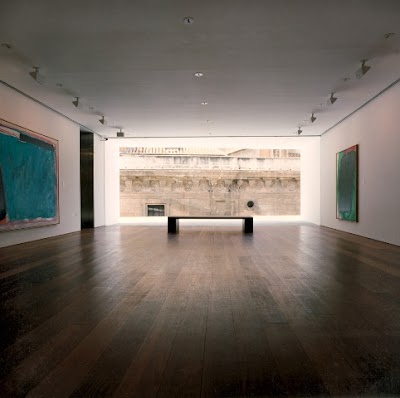
Centro José Guerrero
Centro
A contemporary art gallery housing the personal collection of abstract expressionist painter José Guerrero, located right next to the Cathedral.
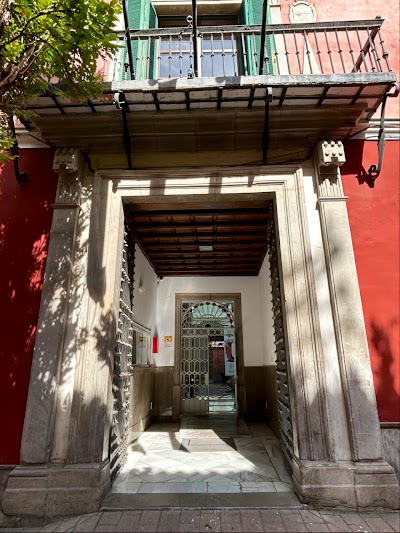
Palacio de los Condes de Gabia
Realejo
A beautiful 17th-century palace that hosts rotating exhibitions of contemporary art, photography, and local cultural history.
Book ahead
Top-rated experiences in Granada

Private Tour With A Different Perspective of Alhambra
from $167

Canyoning Adventure Rio Verde in Granada
from $113

Granada: Alhambra and Sierra Nevada Sunset Views by E-Bike
from $54

Climbing the John Hogbin Via Ferrata with Lunch
from $113

The Granada Evening Tapas Crawl by Food Lover Tour
from $89

Alhambra Private Tour: Nasrid Palaces and Generalife
from $261

Granada: Nature, Wildlife and Authentic Villages E-bike Tour
from $94

Full Alhambra tour with preferential access (SPANISH language)
from $117
Prices from Viator; we may earn a commission when you book — at no extra cost to you. Tours are sold and operated by Viator, the merchant of record. Ratings are collected by Viator and Tripadvisor.
Timing
When to visit
Spring
From March to May, the gardens of the Generalife are in full bloom, and temperatures are ideal for walking. Semana Santa brings dramatic religious processions through the narrow streets of the Albayzín.
Summer
July and August are intensely hot, often exceeding 40 degrees Celsius. The city empties during the afternoon, reviving only after sunset when locals gather in outdoor plazas.
Autumn
September to November brings cooler mountain breezes, changing foliage in the river valleys, and the arrival of the autumn pomegranate harvest, which gives the city its name.
Winter
December to February is cold and crisp. While the city itself remains sunny, snow blankets the nearby Sierra Nevada peaks, allowing for morning ski trips and afternoon tapas in the sun.
What it costs
Budgeting
Logistics
Getting around
From the airport
Federico García Lorca Granada-Jaén Airport is located 15 kilometers west of the city. The ALSA airport bus runs in conjunction with flight arrivals, delivering passengers to the city center in approximately 45 minutes. Taxis operate on a flat-rate system depending on the time of day.
Public transit
The city transit system relies on a network of red-and-white local buses. Crucial for visitors are the small Alhambra microbuses (lines C30 and C32) and the Albayzín microbuses (lines C31 and C34), which are specifically designed to squeeze through the impossibly narrow, steep streets of the historic quarters.
Passes & tickets
The Granada Card (Bono Turístico) is highly recommended. It includes entry to the Alhambra, the Cathedral, and other major monuments, alongside a set number of local bus rides. It is tiered in price bands (€€) depending on the duration of validity.
On foot
Granada is highly walkable but physically demanding. The historic quarters of Albayzín, Realejo, and Sacromonte are built on steep hillsides paved with traditional polished river stones, which can be slippery even when dry.
Travel smart
Safety & etiquette
Local etiquette
- •Do not demand a specific free tapa; the kitchen decides what is served with each round, and asking to swap it is considered impolite.
- •When visiting the Albayzín at night, keep your voice down, as the narrow streets act as natural amplifiers directly into residents' bedrooms.
- •Tipping is appreciated but not mandatory; leaving small change (coins) for tapas or 5-10% for exceptional sit-down restaurant service is standard.
From the ground
Practical tips
1
If Alhambra tickets are sold out on the official website, purchase the Granada Card (Bono Turístico), which often has a separate allocation of entry slots.
2
Order a 'caña' (small beer) instead of a 'tubo' (large glass) to pace yourself and receive more rounds of fresh, varied tapas.
3
Avoid the restaurants on Calle Navas for sit-down meals; they are heavily tourist-oriented and lower in quality compared to those in Realejo.
4
Always carry a light jacket or sweater, even in summer, as the mountain air causes temperatures to drop rapidly after sunset.
5
Visit the Bañuelo (Arab Baths) on a combined ticket with the Dobla de Oro to save money on multiple historic Moorish sites.
6
Buy your Piononos from Casa Isla, the historic pastry shop that originally created the sweet treat in 1897.
Granada FAQs
Do I really need to book Alhambra tickets in advance?
Yes, absolutely. Daily tickets are strictly limited and sell out months in advance. Book your tickets the moment you confirm your travel dates.
Can I choose my free tapas?
In most traditional bars, you cannot choose; the kitchen serves a set sequence of dishes. However, some modern bars will offer a small menu for you to select from.
Is Granada very hot in the summer?
Yes, July and August regularly see temperatures over 40 degrees Celsius. Plan your sightseeing for early morning and late evening, and rest during the afternoon.
Can I drive a rental car in the city?
It is highly discouraged. The historic center is restricted to authorized vehicles, and cameras will record your license plate, resulting in automatic fines.
What is a carmen?
A carmen is a traditional Granada villa, typically found in the Albayzín or Realejo, featuring high walls enclosing a private garden with fruit trees and grapevines.