The Granada issue
The Alhambra at Night: Nasrid Palaces Under the Moon
When the day-trippers clear out, Granada's fortress opens for a handful of quiet hours where the reflecting pools go still and the carved walls finally get to whisper.

By Camille FontaineGranada beyond the Alhambra queue
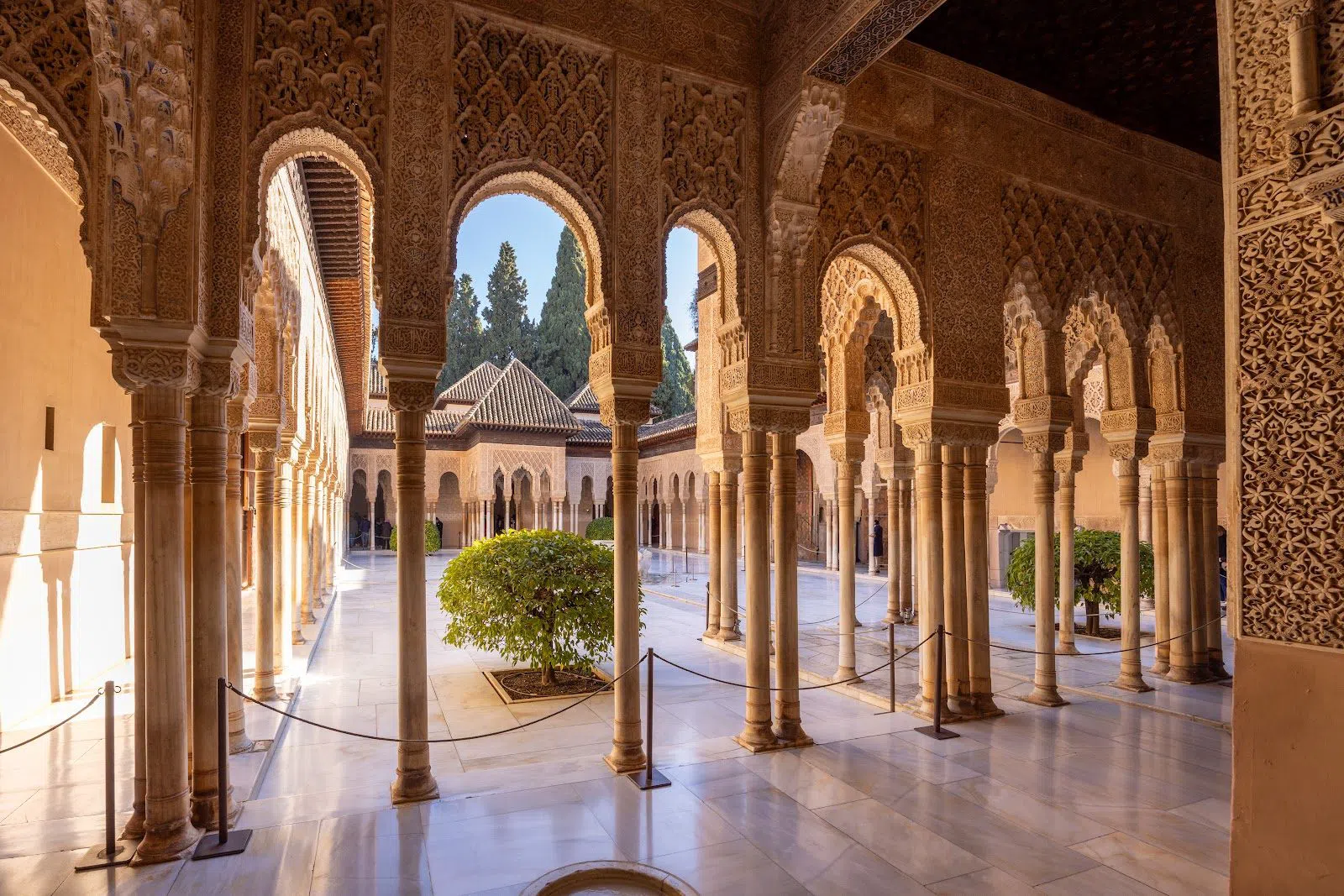
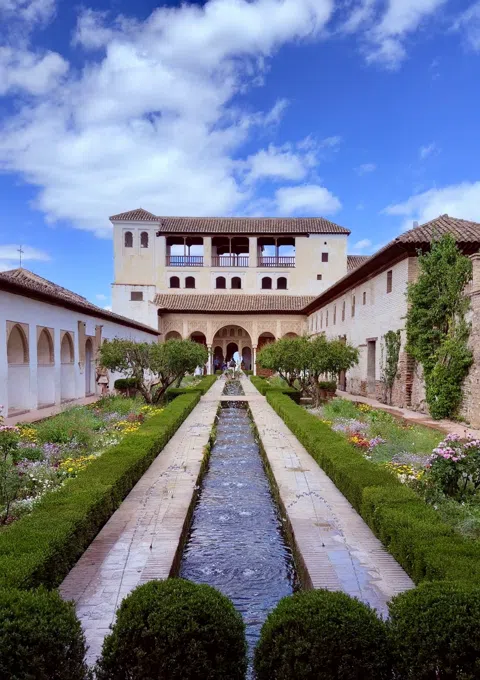
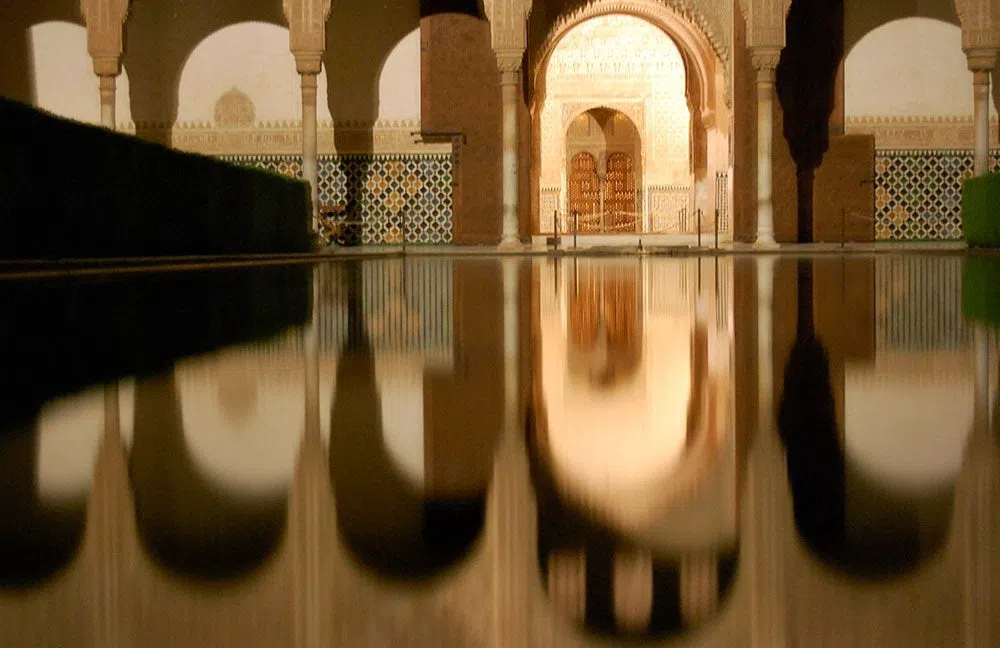
There is a particular hour in Granada when the tour coaches have pulled away and the Alhambra, lit softly from within, stops performing for the daytime crowd and simply exists. The reflecting pool in the Patio de los Arrayanes, which spent the afternoon doubling a thousand phone screens, goes black and still, mirroring the carved arcades above it until you can no longer tell plaster from reflection. This is closer to the fortress the Nasrid sultans actually inhabited: a palace built for quiet, water, and moonlight, and it only really shows itself after the gates reopen at dusk.
Booking the Night Visit: Nasrid Palaces and the Generalife Gardens
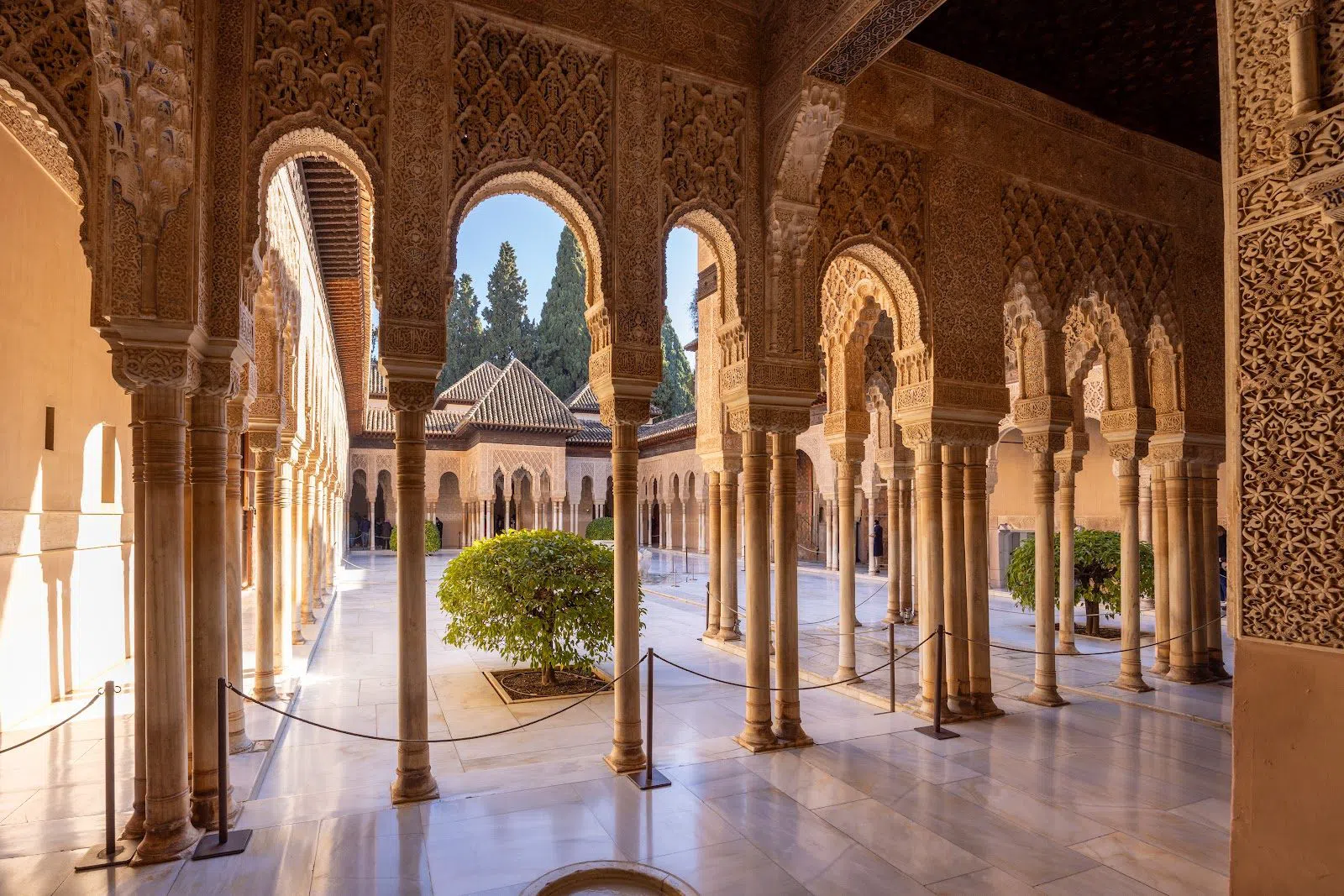
The whole evening is built around one ticket, and the ticket is unforgiving about time. The Alhambra – Night Visit to the Nasrid Palaces (Alhambra hill) is the official Patronato de la Alhambra y Generalife entry, priced at roughly €12.73 per adult, and it runs Tuesday to Saturday from 22:00 to 23:30 between April and October, shifting to Friday and Saturday, 20:00 to 21:30, from October through March. There is no browsing your way in early or drifting in late — the printed time on the ticket is the only time it works, and the courtyards are opened and closed as a group at that slot. Individuals can buy as many tickets as they need for the same session, and so can independent groups of any size; the one restriction is that large tour parties must route their booking through an authorized operator or guide rather than buying loose tickets themselves. Book this one first, before anything else in the evening — everything downstream, dinner reservations included, gets built around whichever slot you can secure.
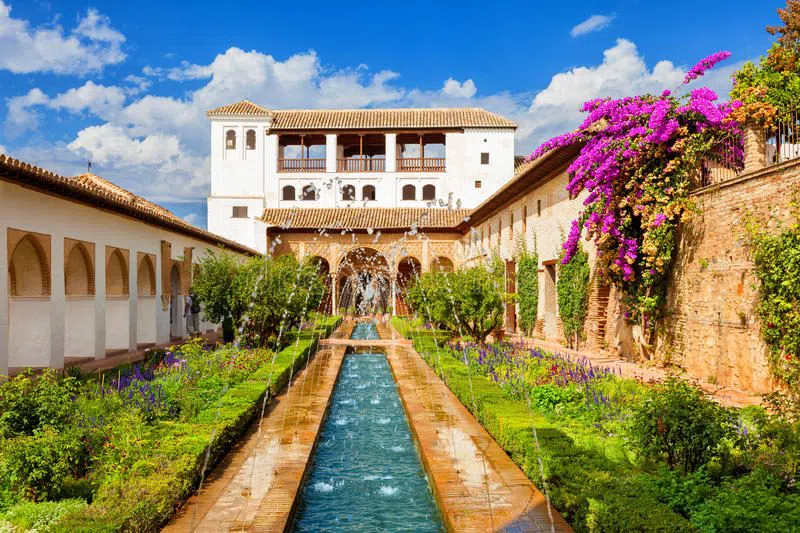
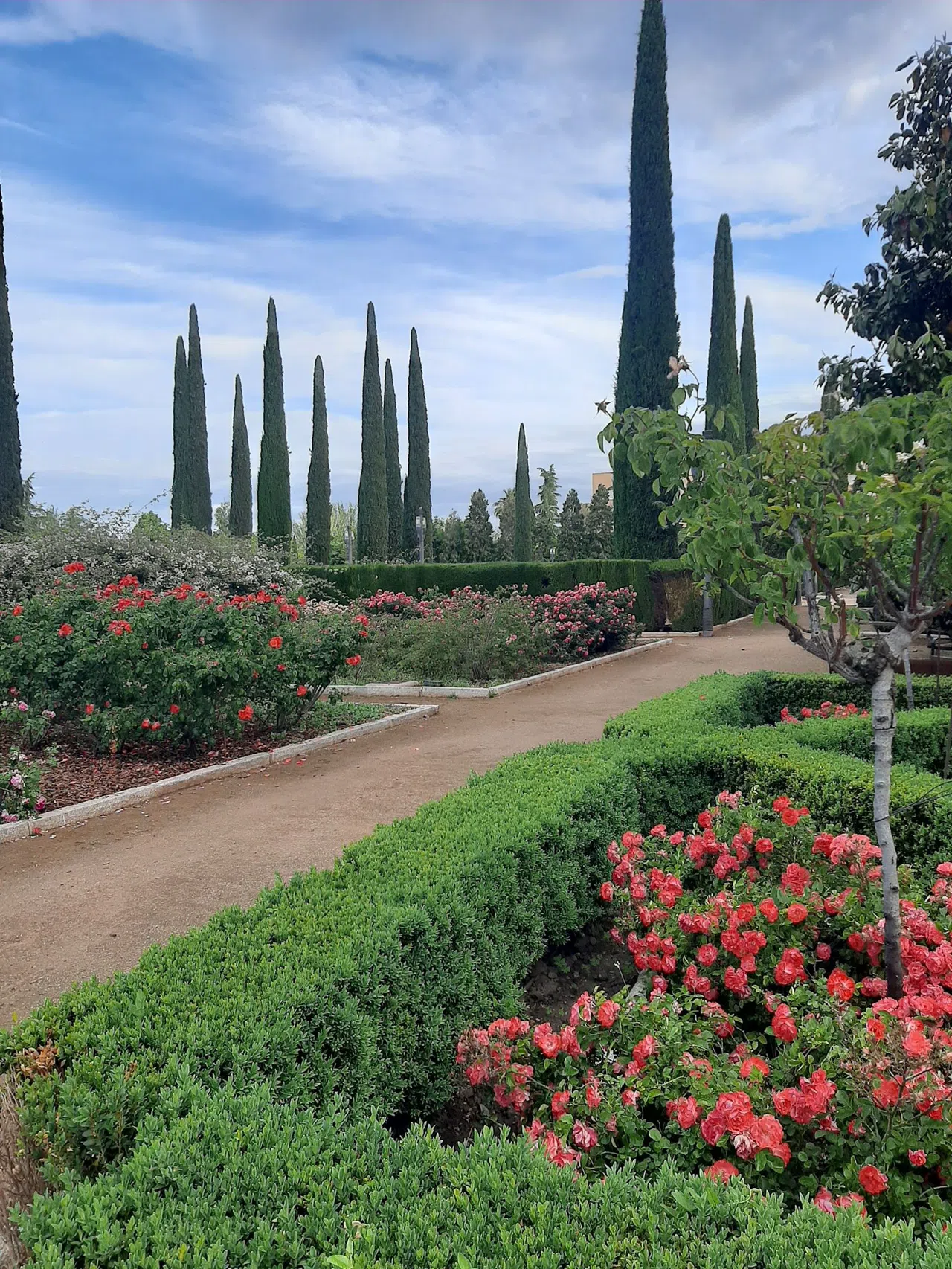
The quieter, less-discussed counterpart is the Alhambra – Night Visit to the Gardens and Generalife (Alhambra hill, a short walk from the palace entrance), which runs on the same official timed-ticket system, accepts both independent and group bookings subject to nightly capacity, and costs around €8.48 per adult. It isn't offered year-round — the gardens close to night visitors in June through August and again from mid-November to March — but when it is running, it makes an obvious second half to the palace visit: cypress alleys, still irrigation channels, and none of the carved stucco, just water sound and hedge geometry under a dark sky. If your dates allow it, treat the two tickets as one evening split into two moods rather than an either-or choice.
Plan your Granada trip
Live prices from our booking partners.
Free cancellation on many rooms. We may earn a commission when you book.
Guided or Alone: A Historian's Version of the Same Rooms
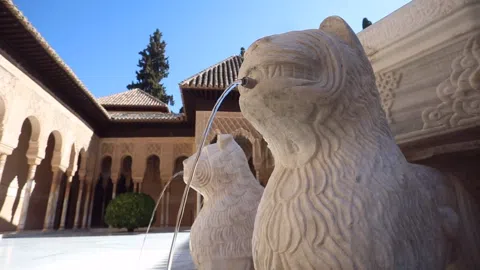
Self-guided night entry gives you the silence and the pacing, but it doesn't give you context — the Nasrid Palaces were built as a sequence of political theatre, and a lot of what looks purely decorative (the muqarnas ceilings, the epigraphic bands running around every room) is actually inscription, poetry, and propaganda carved into plaster. Cicerone Granada – Alhambra & Nasrid Palaces Night Tour (operating out of Granada's historic centre, meeting near the Alhambra) runs both shared small-group tours and private ones, with shared tours priced around €65–90 per person and private tours quoted on request. It's a long-established local operator with a strong current run of 2026 reviews, and it's explicitly built to take group bookings, families included — useful if you're travelling with people who want the storytelling laid on top of the architecture rather than reading it off a phone screen in the dark. If you'd rather have someone explain why a fountain in the Court of the Lions has twelve carved lions and what the poetry ringing the basin actually says, this is the way to see the palaces, not the self-guided ticket.
Before the Gate: A Dusk Wind Through the Gardens
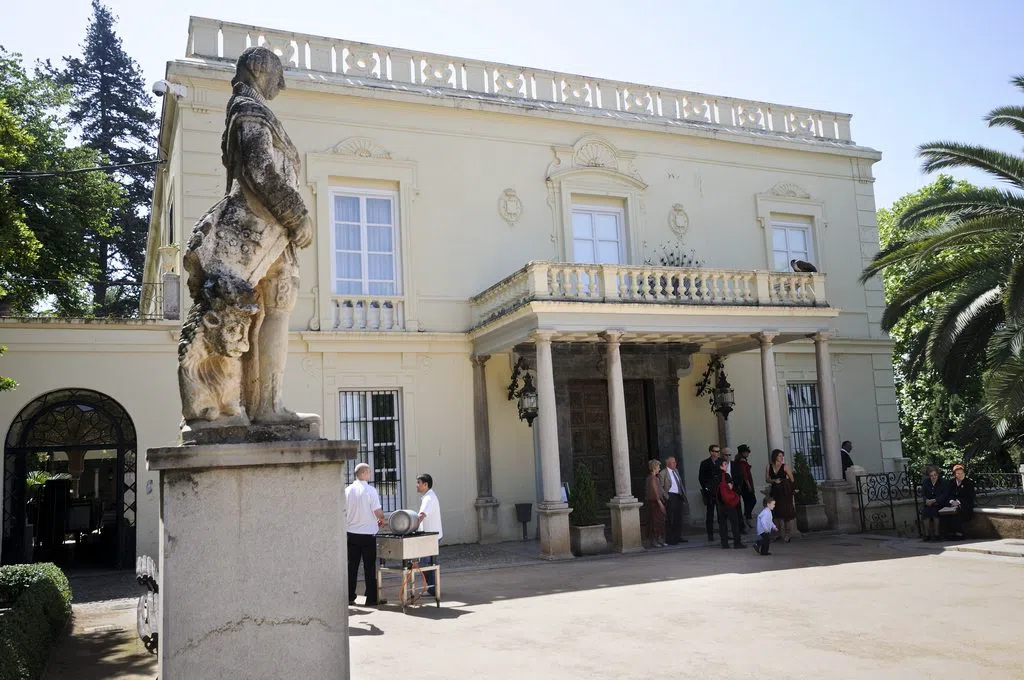
Most night-visit itineraries start too late, which is a shame, because there's a genuinely lovely hour to be had before the palace gates open. Carmen de los Mártires (on the Alhambra hill, past the Alhambra's southern edge) is a free municipal garden — no booking required, easy for any group size — built around ponds, peacocks, and a nineteenth-century layout that rewards an unhurried wander. It closes by 20:00, so it isn't a night venue in its own right; think of it instead as the wind-down walk you take in the last hour of daylight, before doubling back toward the palace entrance for your timed slot. It sets a slower pace for the whole evening rather than arriving at the Alhambra gates cold, straight from a taxi.
Two Miradors, Two Moods
Granada's night-visit crowd almost always ends up at one viewpoint, and it's worth knowing there's a second, quieter option a few streets away.
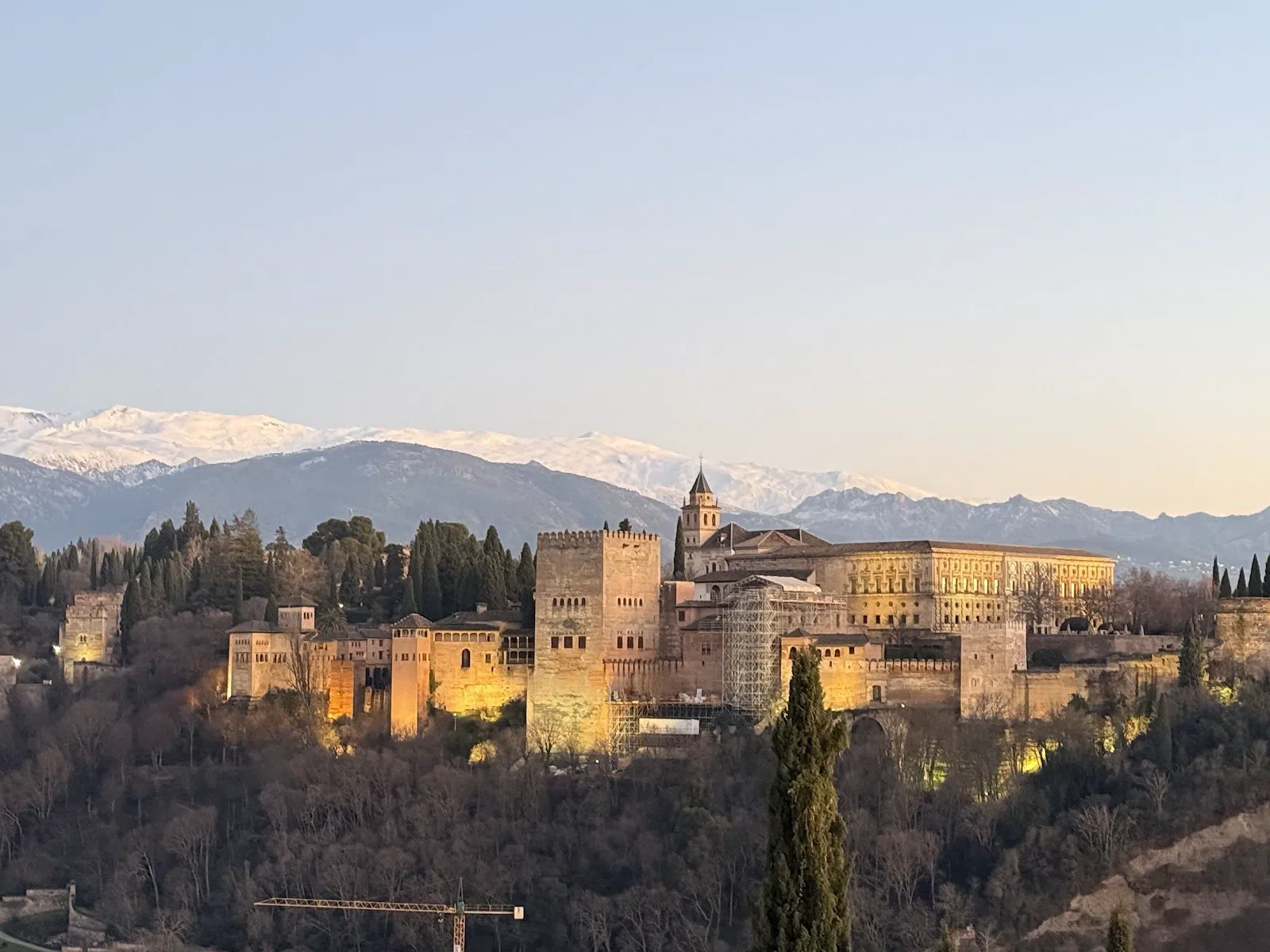
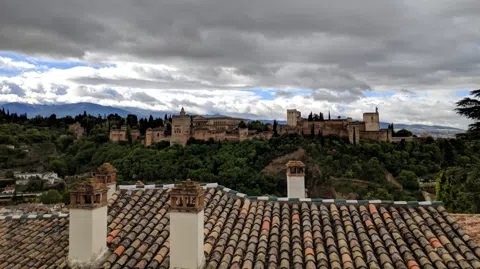
Mirador de San Nicolás (Albaicín) is the famous one: a free, open public square with the single best postcard angle on the Alhambra, floodlit against the Sierra Nevada behind it. It's also, genuinely, one of the most crowded spots in the city at sunset — buskers, tour groups, and a solid wall of raised phones. It still accommodates large groups easily and costs nothing, so don't skip it; just be honest with yourself about timing. Go either well before sunset, while it's still filling up, or well after the Alhambra has gone fully dark and the after-dinner crowd has thinned, and the same view feels like a different, calmer place entirely.
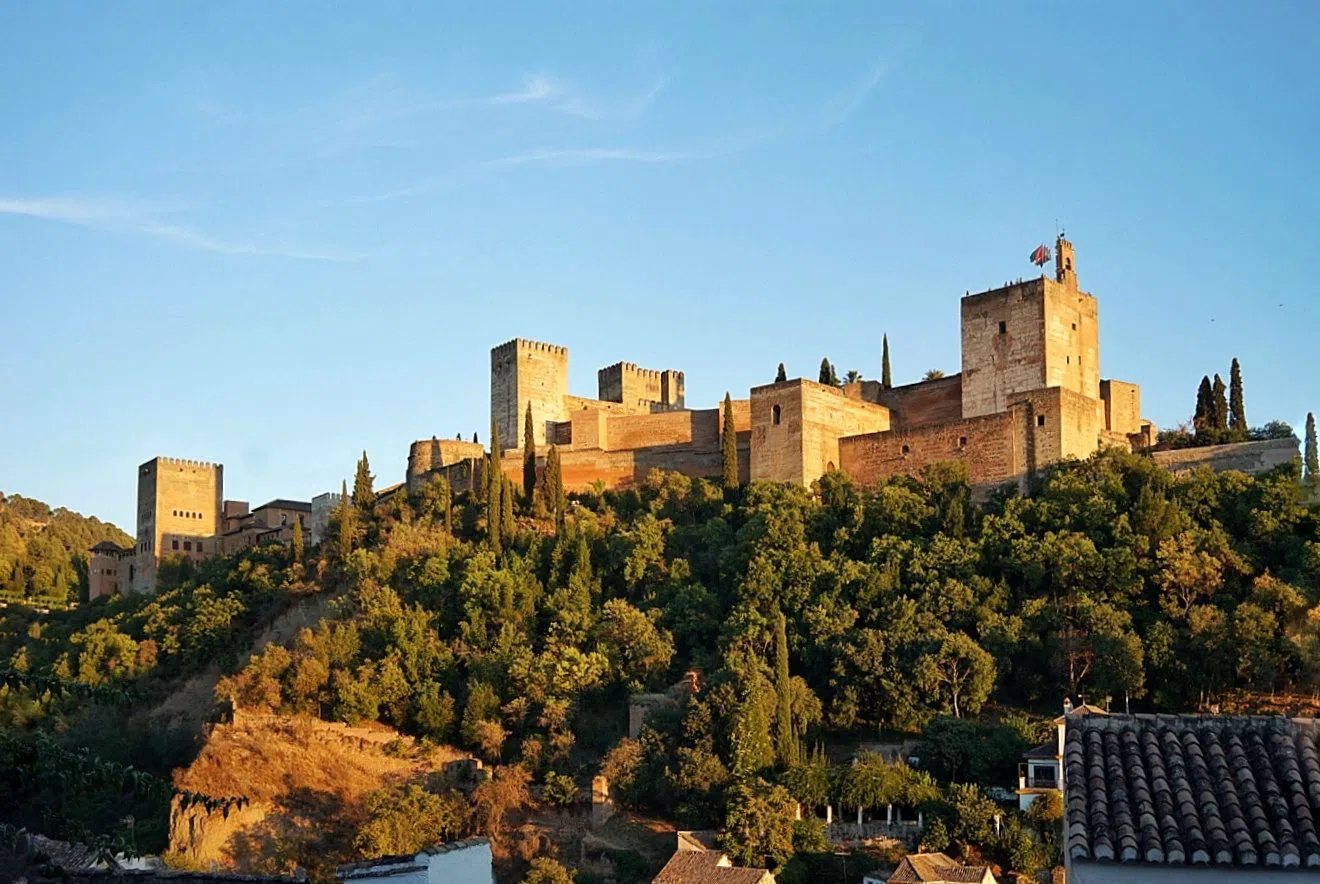
For that calmer version without the wait, walk a few minutes further to the Mirador de la Placeta de Carvajales (Albaicín), a small free public spot that suits couples or a small group far better than a coach party ever could. It has its own reflecting water in frame, which makes it the more literal answer to the promise of stillness this whole evening is chasing — the Alhambra doubled in a quiet pool, with room to actually stand and look rather than jostle for a gap in the railing.
After the Palace: Flamenco, Hammam, and a Table with a View
A night visit rarely fills an entire evening on its own — it's ninety minutes, tightly timed — which leaves room to build the rest of the night around it, and Granada gives you several honest options depending on what kind of evening you want.
For the Sacromonte flamenco tradition, Cuevas Los Tarantos (Sacromonte) is a family-run zambra cave venue built around nightly seated groups, with tickets running roughly €35–45 per person for a show and drink, and dinner packages priced higher. It regularly hosts coach parties, so don't expect intimacy, but most packages route guests past Mirador de San Nicolás on the way, which folds the two experiences into a single walking evening through the Albaicín and Sacromonte hillsides.
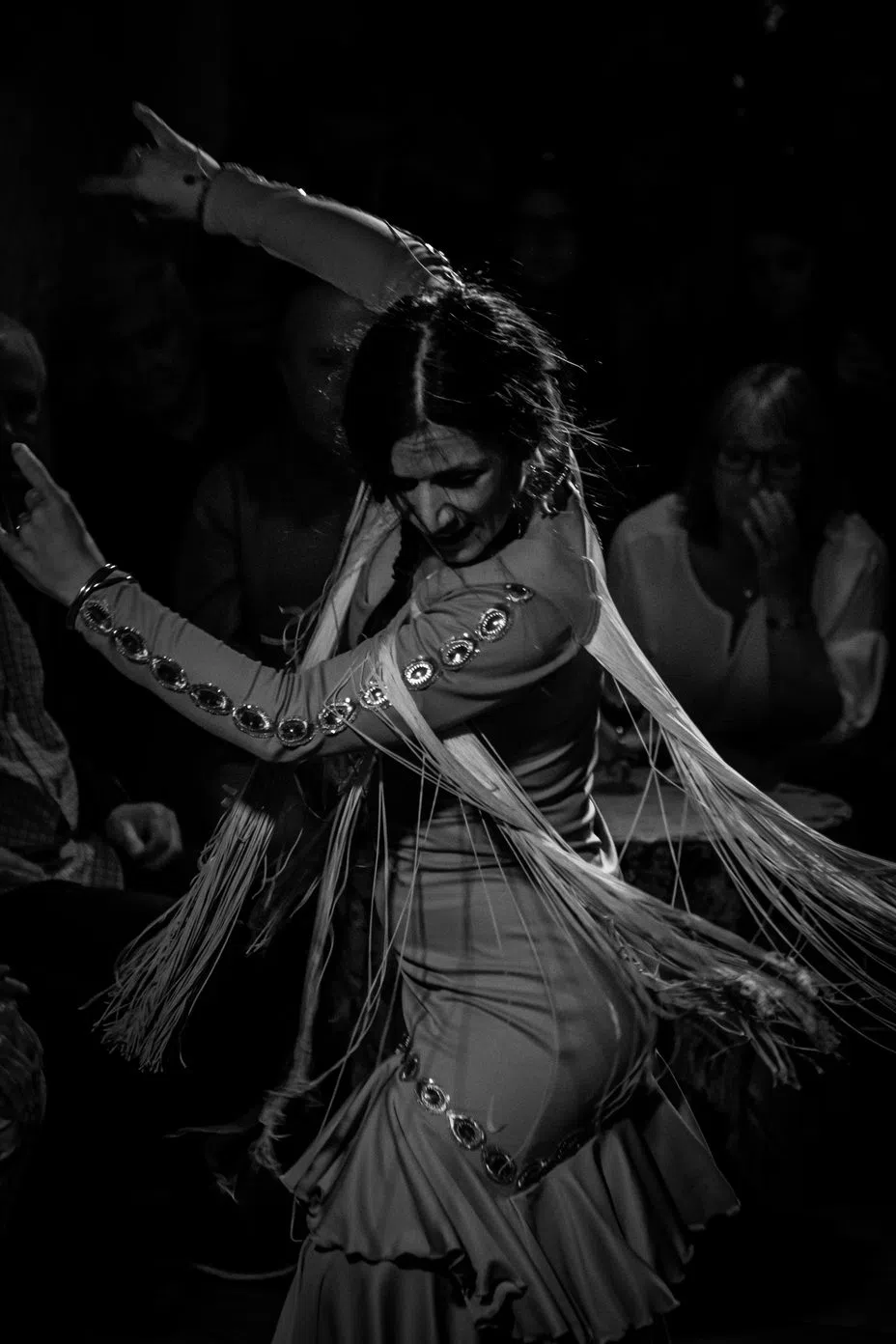
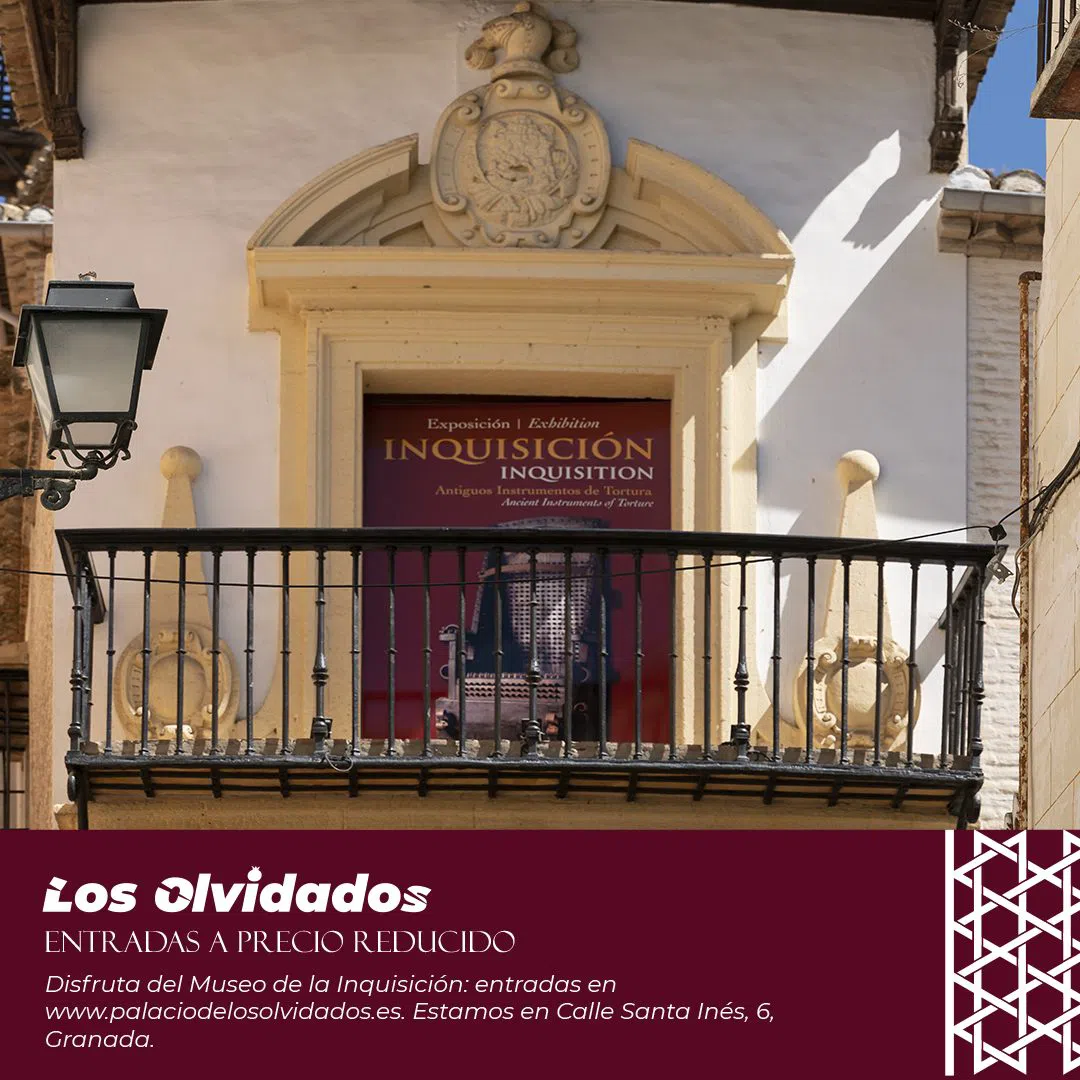
Closer to the palace itself, Palacio Flamenco (also known as Palacio de los Olvidados, at the foot of the Alhambra hill) runs fixed nightly showtimes at 19:00 and 20:30 in a genuine historic palace, sized comfortably for group bookings and combinable with the on-site Museum of the Inquisition beforehand. At roughly €25–35 per person, it's the more reliable, currently-running tablao for travellers who want flamenco bundled into the same evening as the palace visit without crossing town for it.
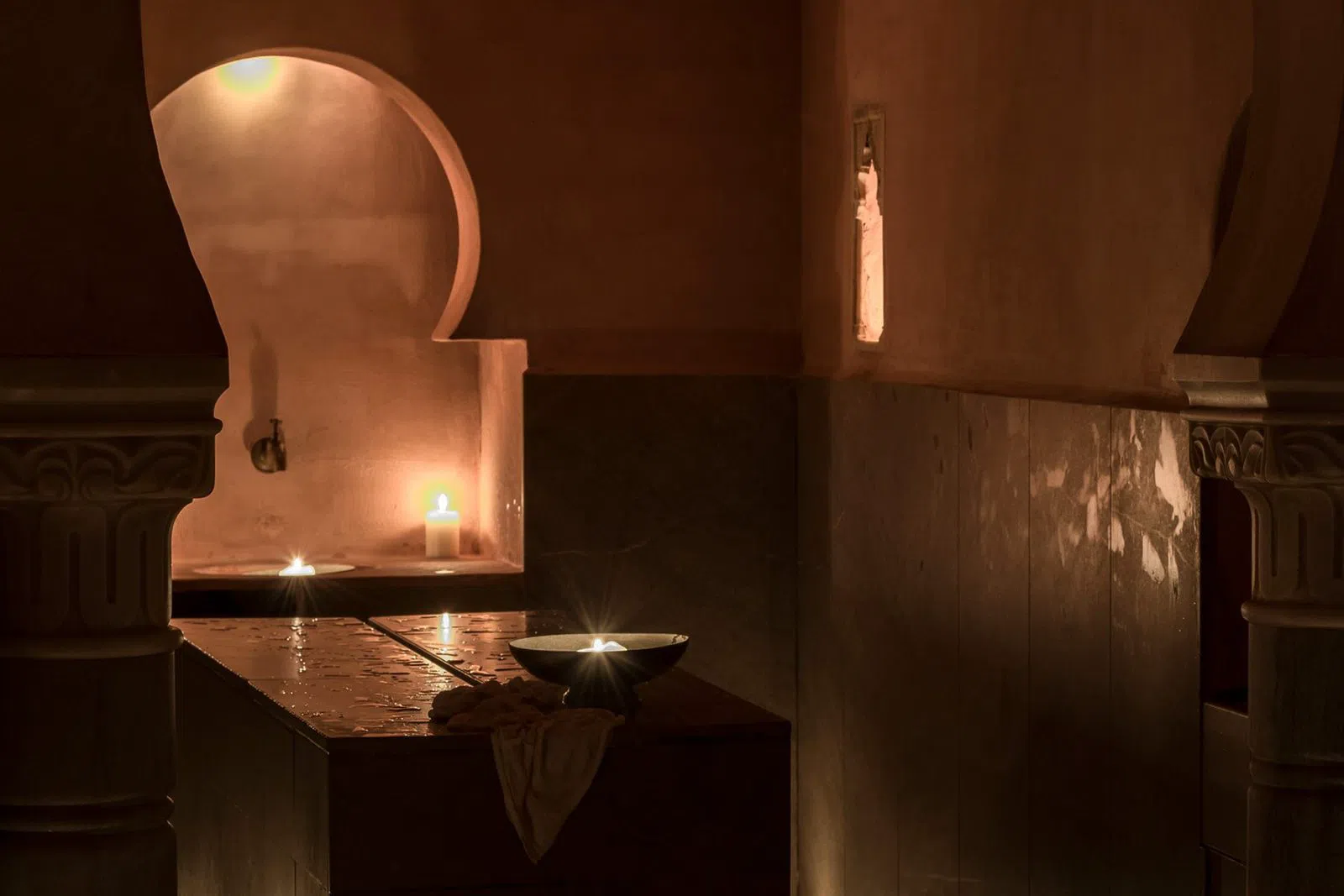
For something less performative and more sensory, Hammam Al Ándalus Granada (near the base of the Alhambra hill) is a genuinely Moorish way to spend an hour before or after the night visit — a proper Arab bath house, not a spa gimmick, booked in timed shifts with the last one starting at midnight. It takes groups with advance reservation, capacity permitting, and prices run from around €52 for bath access alone up to about €124 for bath plus massage. It's a strong counterpoint to the palace tour: the same architectural language of arches and water, but you're in it rather than looking at it.
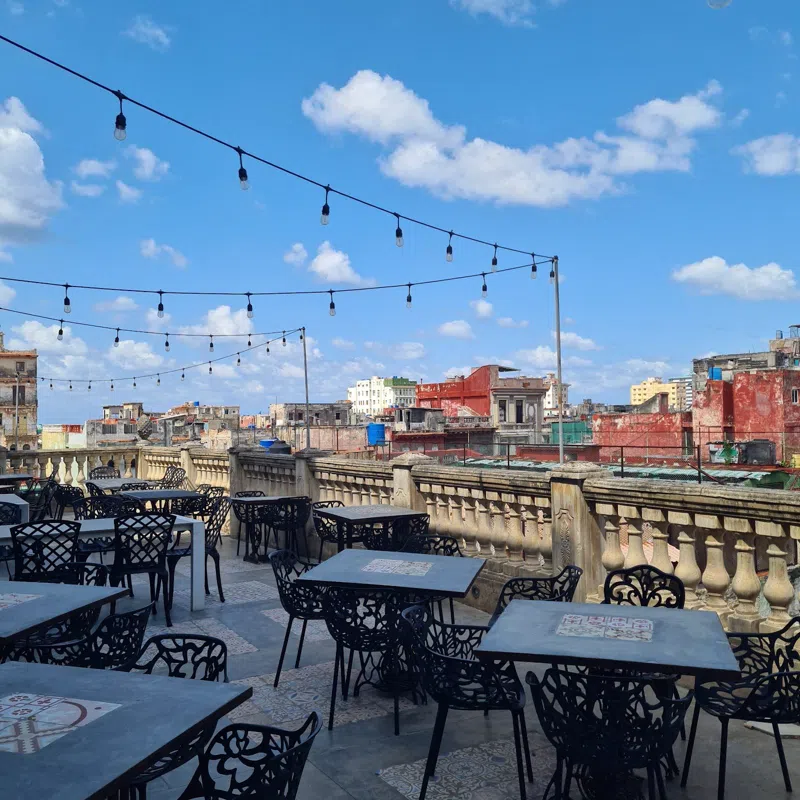
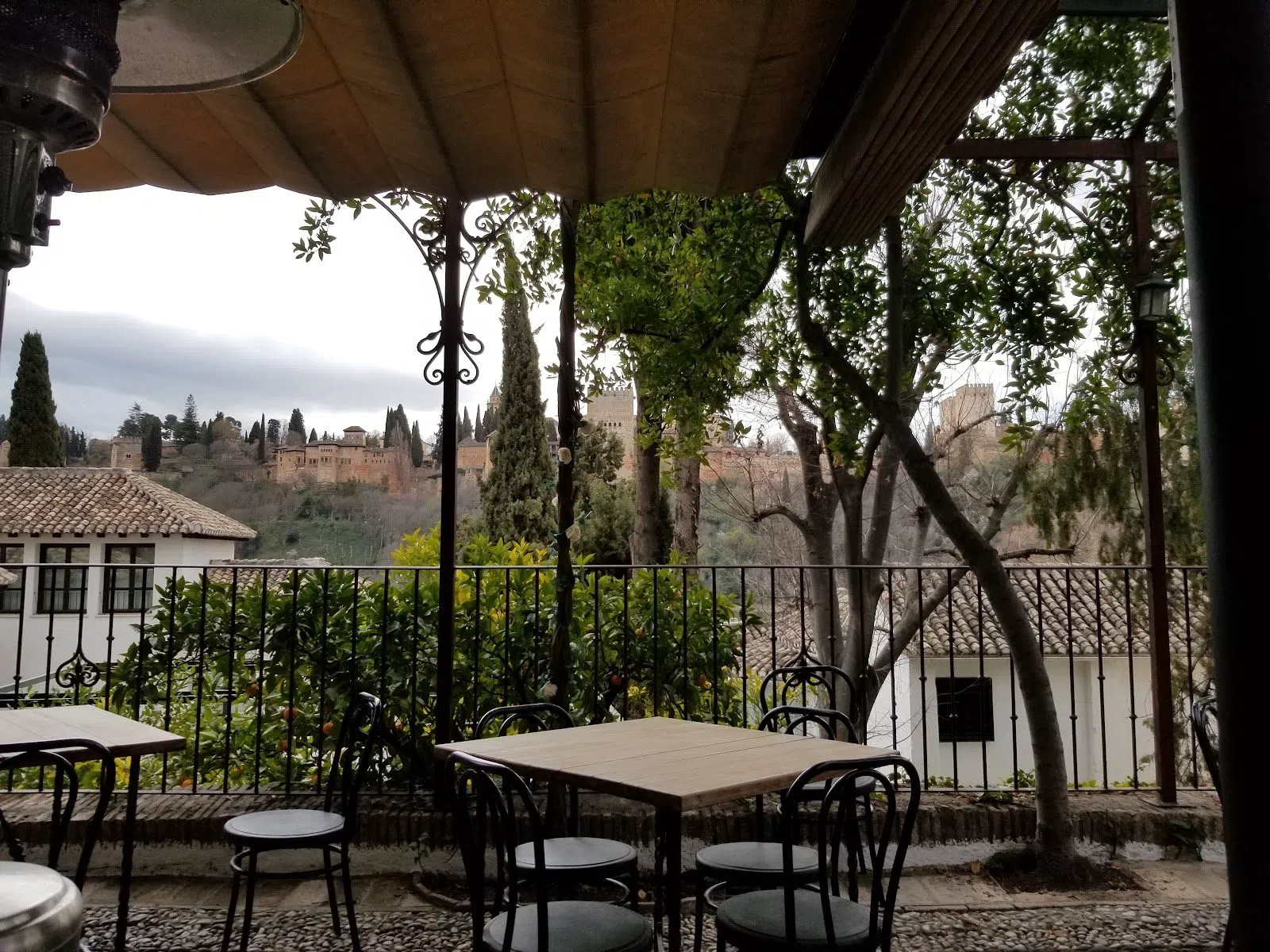
And if the evening is meant to end with a proper sit-down meal facing the fortress itself, Restaurante Mirador de Morayma (Albaicín, on the hillside opposite the Alhambra) takes reservations for groups on request, though the terrace tables with the full view are limited and genuinely should be requested weeks ahead, as the restaurant itself will tell you. Expect €€€ pricing, with mains running roughly €18–30. Ask specifically for the patio table facing the Alhambra when you book — the restaurant has other tables that don't have the view, and the difference is the entire point of eating there.
Practical Notes: Transport, Cash, Timing, Budget
Getting there. The Alhambra sits on its own hill above the city centre, reachable on foot from Plaza Nueva via the Cuesta de Gomérez — a steep, cobbled twenty-minute climb — or by the C30/C32 minibus routes that run from the Plaza Nueva/Cathedral area up to the palace gates. At night, budget extra time: the walk is unlit in places and the minibuses run less frequently after dinner hours, so don't cut it close to your entry slot.
Timing. Arrive at least 30 minutes before your printed entry time. There's a security and bag check at the gate, and because sessions are opened as a group at the exact slot, arriving late can mean missing the visit entirely — there's no rolling entry and no re-admission once you've left. Build your whole evening backward from that fixed time, not forward from dinner.
Cash. Card is accepted almost everywhere for tickets, tours, and restaurants, but it's worth carrying some cash for the flamenco venues and smaller Albaicín spots where card minimums or connectivity on the hillside can be unreliable.
Budget. A no-frills night — palace ticket, walk to a mirador, nothing else — runs under €15 a person. Add a guided tour and it climbs to roughly €80–100. A full evening with flamenco or a hammam session and a sit-down dinner at Morayma comfortably lands in the €120–160 per person range. None of it requires an early alarm the next morning, which, after the climb up and down that hill in the dark, is its own kind of luxury.
For where to base yourself for the climb, see this Granada hotel search, and for the rest of the city beyond this one evening, the full Granada guide covers it.
Before you go
Do I need to book the Alhambra night visit in advance?
Yes. The Night Visit to the Nasrid Palaces is a timed-entry ticket from the official Patronato de la Alhambra y Generalife system, and sessions do sell out, especially Friday and Saturday slots. Book as early as your travel dates allow, and remember entry is strictly at the printed time — there's no flexibility if you arrive late.
What's the difference between the night Nasrid Palaces ticket and the night Gardens/Generalife ticket?
They're two separate tickets on the same official booking system. The Nasrid Palaces ticket (~€12.73) gets you into the carved royal apartments and courtyards. The Gardens and Generalife ticket (~€8.48) covers the cypress alleys and water gardens instead, and only runs part of the year — it's not available June through August or from mid-November to March. Many visitors book both for the same trip, on different nights.
Is the night visit worth it over visiting during the day?
For atmosphere, yes — the crowds thin dramatically, the reflecting pools go still, and the palace is lit in a way that makes the carved plasterwork read completely differently. What you lose is full daylight visibility in some rooms and access to areas only open during the day visit, so if it's your only trip to the Alhambra, many travellers do both: a daytime visit for scope, a night visit for atmosphere.
Can I visit the Alhambra at night as part of a large group?
It depends on how you book. Independent groups of any size can buy multiple individual tickets for the same time slot through the official system. Large organized tour groups, however, are required to book through an authorized operator or guide rather than purchasing loose tickets — Cicerone Granada is one such operator running dedicated night tours for groups and families.
What should I do before or after the night visit?
Before: a dusk wander through Carmen de los Mártires, which closes by 20:00, sets a slower pace before the climb to the palace gates. After: Mirador de la Placeta de Carvajales for a quiet view, or Mirador de San Nicolás if you time it to avoid the sunset crush, followed by flamenco at Palacio Flamenco or Cuevas Los Tarantos, a hammam session at Hammam Al Ándalus Granada, or dinner on the terrace at Restaurante Mirador de Morayma.