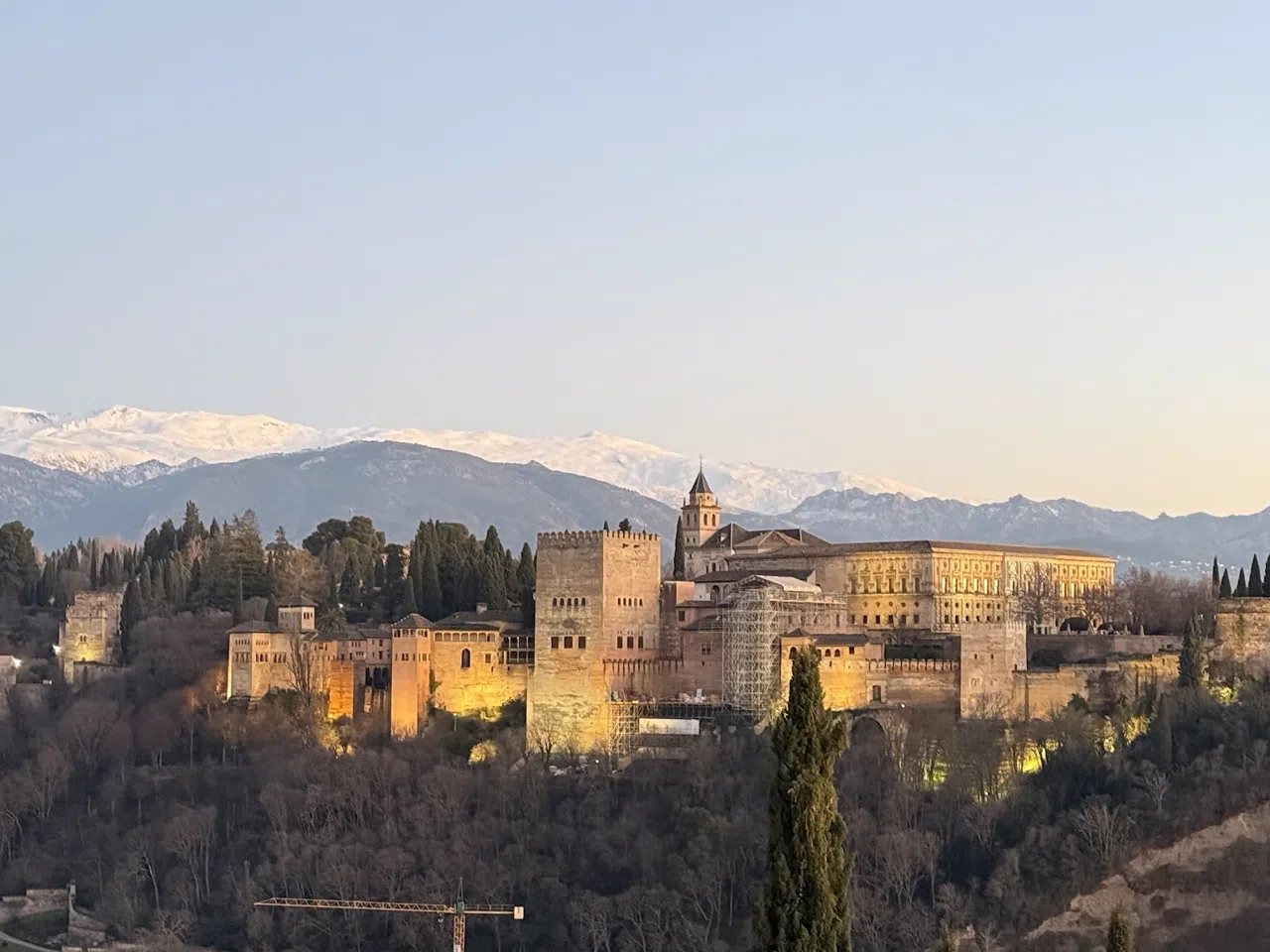

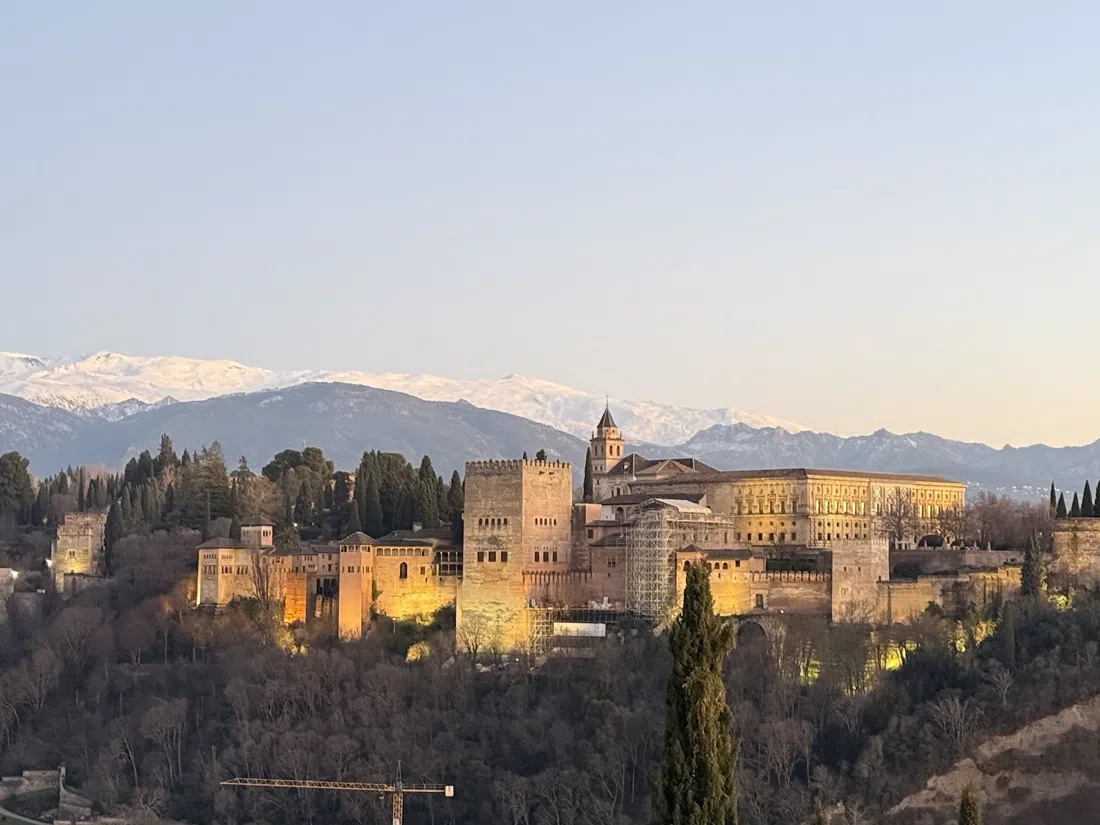
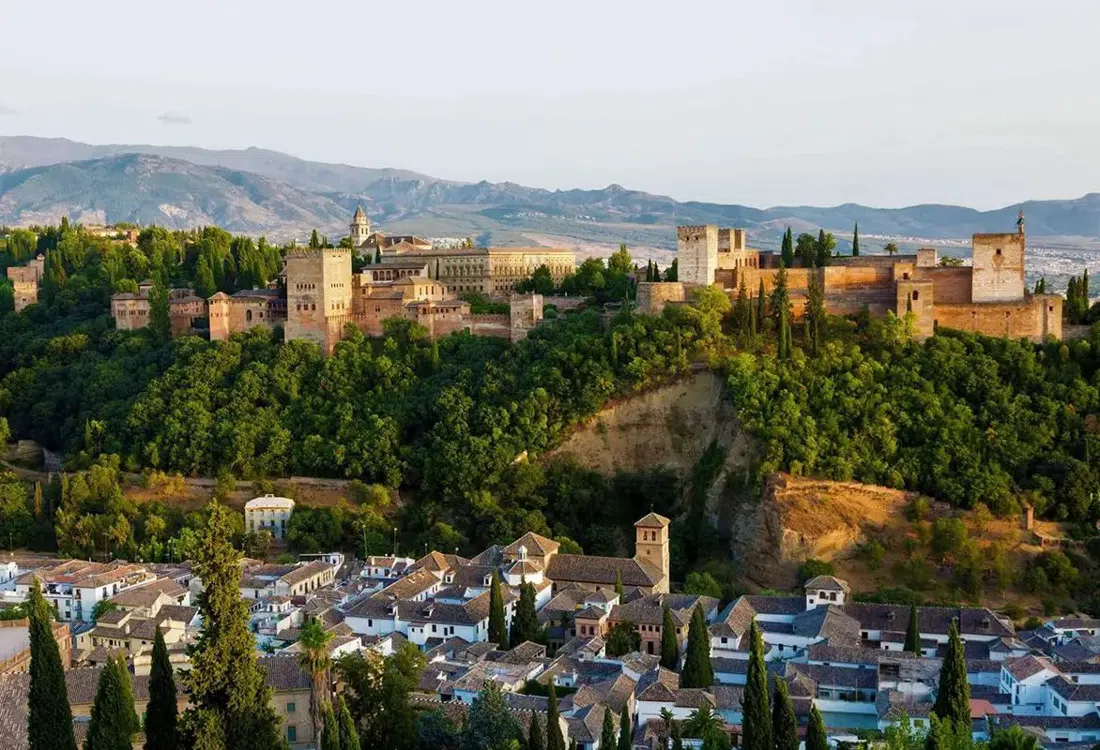
From the top of the Albaicín the Alhambra looks close enough to touch, a long ochre wall with the Sierra Nevada holding its snow up behind it. Most people arrive in Granada having allotted it a single afternoon, squeezed between two longer stops, and most leave wishing they had given it one more night. The city is unusually easy to sequence, though, because one timed half-hour governs everything else: get that right and almost nothing else has to be rushed.
The half-hour that governs the whole trip
Alhambra and Generalife (the hill above the Albaicín and Realejo) is not a monument you drop into. Every ticket is name-bound and carries a fixed thirty-minute entry window for the Nasrid Palaces, and that window is non-negotiable: miss it and the palaces are gone, whatever else the ticket says. A full monument day ticket is €22.27. Gardens and Generalife alone are €12.73, the same price as a night visit to the Nasrid Palaces, with night gardens at €8.48. Day visits run 08:30 to 18:00 from 15 October to 31 March and 08:30 to 20:00 from 1 April to 14 October, and the site closes on 25 December and 1 January.
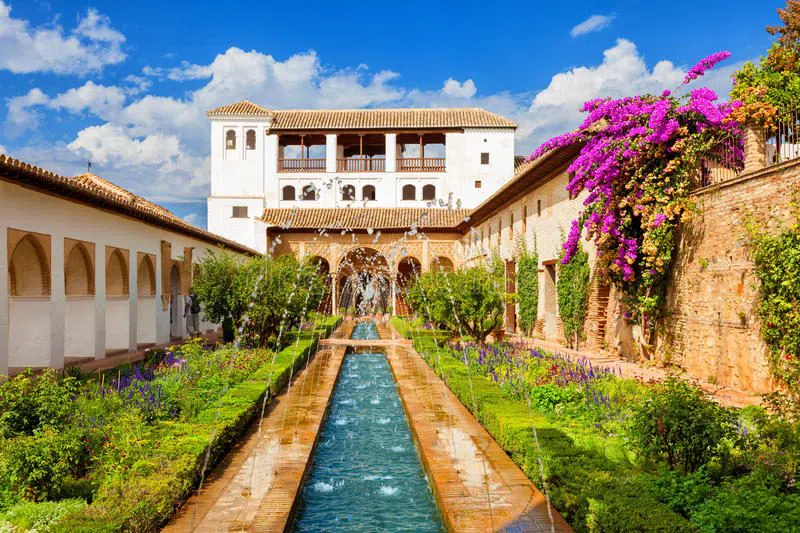
So book months ahead. This is the ticket that sells out furthest in advance, and the honest planning order is Alhambra slot first, train legs second, hotel third. Then build the day around the slot rather than trying to fit the slot into a day you have already drafted. A 09:00 Nasrid window and a 15:30 window produce two completely different itineraries, and only one of them lets you leave in the evening with the city seen rather than glanced at.
Groups need one booking per person, each carrying that traveller's own name, and tickets must be collected at least an hour before the palace slot. Allow for the approach too: from Plaza Nueva it is twenty-odd minutes uphill through the woods, or a short ride on the Alhambra minibuses that leave from the centre.
Where you sleep decides how much of the day you keep
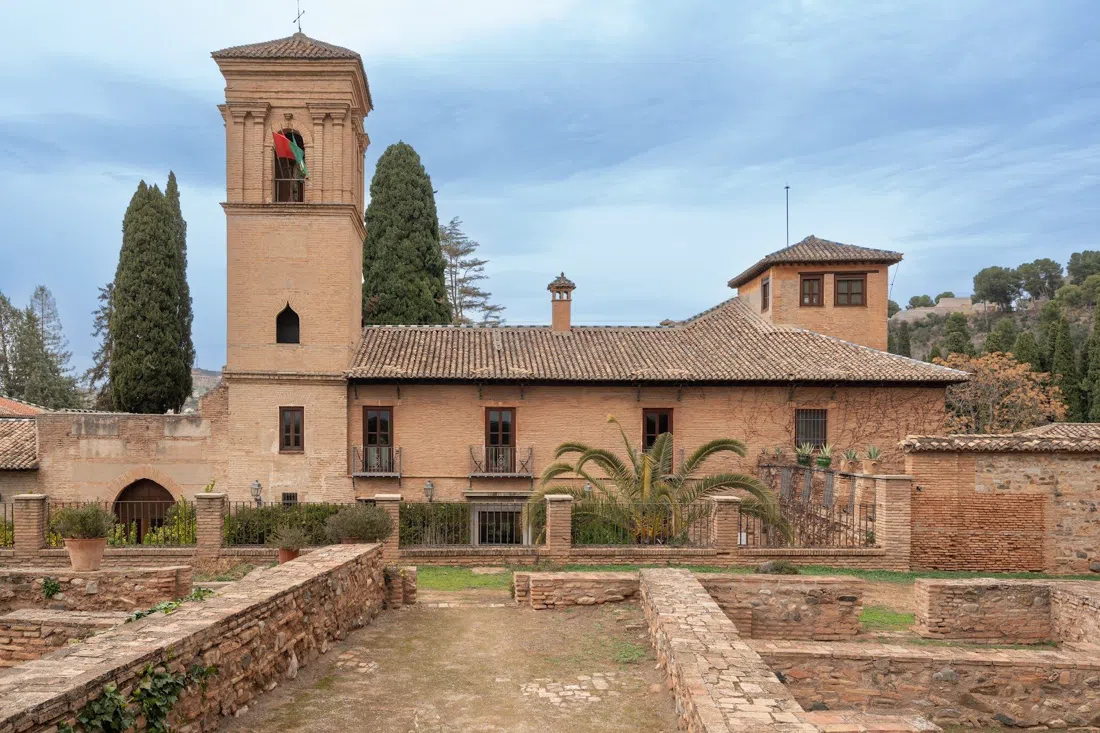
The trick to not losing a day is removing the morning climb. Parador de Granada (inside the Alhambra walls) is the only bed on the site itself, a converted convent with just over forty rooms, and it means walking to the palace gate for the first slot of the day while everyone else is still queuing for a taxi. It is the most expensive room in the city and it books out months ahead; parking is limited, must be reserved, and costs €31 a day.
If it is gone, or beyond what the trip can carry, the next best thing is a room within ten minutes of Plaza Nueva, which puts you at the foot of both the Alhambra path and the Albaicín stairs. Compare options in the Granada hotel search and treat walking distance to Plaza Nueva as the deciding factor, not the star rating. Anything out beyond the ring road costs you the hour you came here to save. For how the districts sit relative to one another, the Granada guide lays out the geography.
Doing it in one day with your luggage still on you
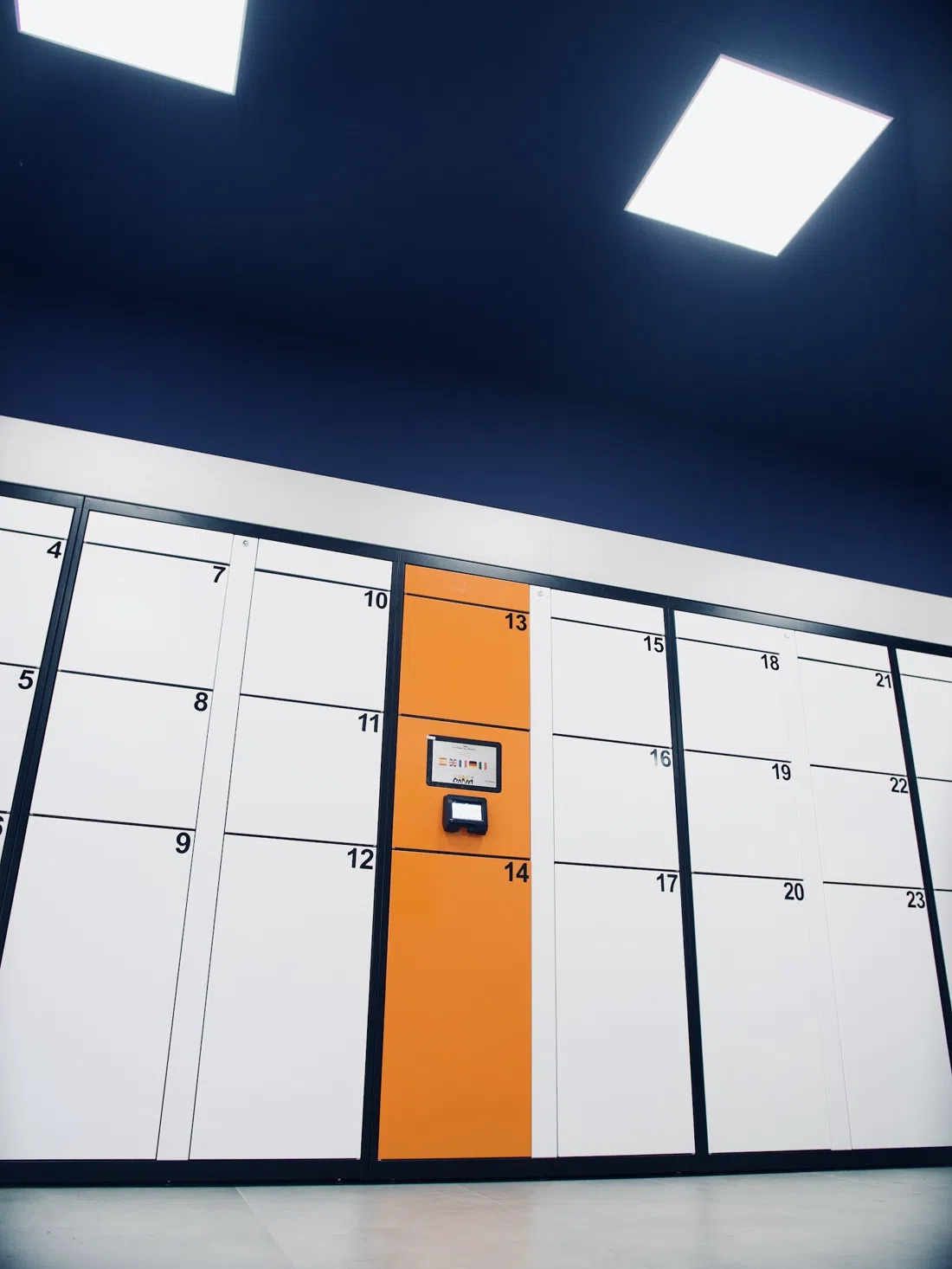
A single-day stop is entirely viable, and what makes it work is a locker rather than a tour. Granada's station has no proper left-luggage of its own, so bags go to Locker4Rent Granada (central, staffed, open 24 hours a day, 365 days a year), priced by suitcase and by how long you leave it, a few euros a bag, and a group can drop a whole pile at once. Bags in at 09:00, and the day is yours.
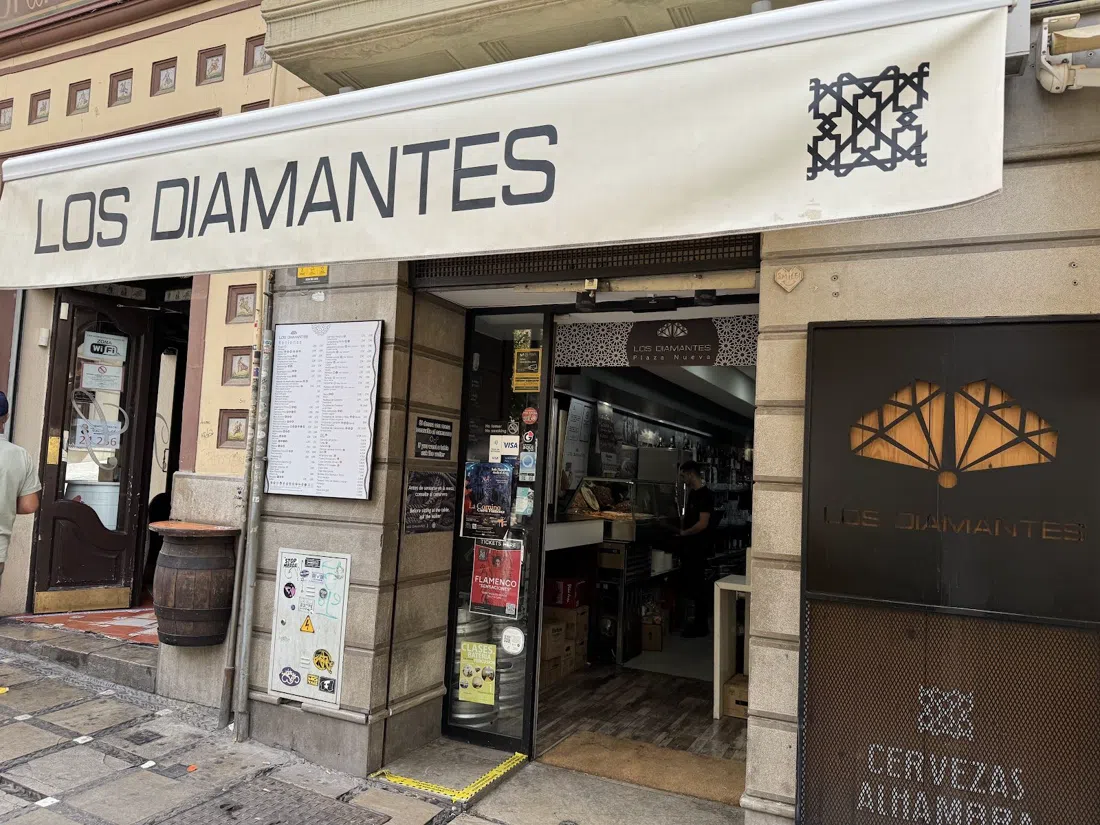
From there the shape is simple: Alhambra in the morning, lunch in the centre, the Cathedral and the Capilla Real in the afternoon, a last drink before the evening train. Los Diamantes (Calle Navas in the centre, with a larger room on Plaza Nueva) serves midday from 12:00 to 16:30 and again 20:00 to midnight, which covers the awkward gap before a late-afternoon departure. It has been frying fish since 1942 and does it better than anywhere else in town. There are no bookings; the Navas original is a standing crush, so send anything larger than four to the Plaza Nueva room.
The hours either side of the palace gate
Come out of the Alhambra and the instinct is to head straight down. Resist it for an hour. Carmen de los Mártires (Alhambra hill) is five minutes downhill from the exit, free, unticketed and largely empty: terraced gardens, peacocks, a long view back over the rooftops. It opens 10:00 to 14:00 and 18:00 to 20:00 on weekdays and 10:00 to 20:00 at weekends and on holidays. Some of the fountains have been running dry lately, which takes a little of the shine off and none of the calm. Coaches cannot get close, so it is a walk-in from the monument gate.
In the afternoon the centre does the heavy lifting. Granada Cathedral (city centre, off Gran Vía) stays open 10:00 to 20:15 Monday to Saturday, and that late weekday closing is what makes it the right filler between an Alhambra morning and an evening train. On Sundays and holidays it opens only 15:00 to 18:15. Standard entry is around €5, with special rates while the KERYGMA exhibition runs from 8 May to 28 November 2026, and guided visits from about €31. It closes to visitors during services and schedules shift for worship without notice, so treat the published hours as a strong intention rather than a guarantee.

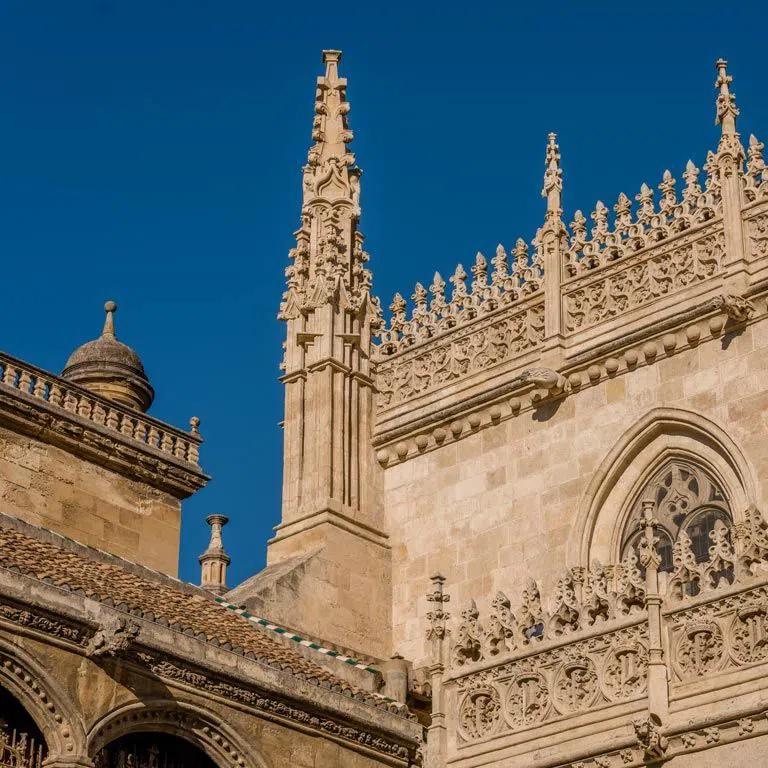
One door away, Capilla Real de Granada (city centre) is where the Granada story actually ends, and it takes half an hour. Entry is about €5 to €6, with reductions for students and over-65s and under-12s usually free. Buy online through the Archdiocese in peak weeks, because walk-up sells out. The chapel is compact, so larger parties are held at the door and fed through in waves.
The Albaicín walk, and the insurance policy if the palaces are full
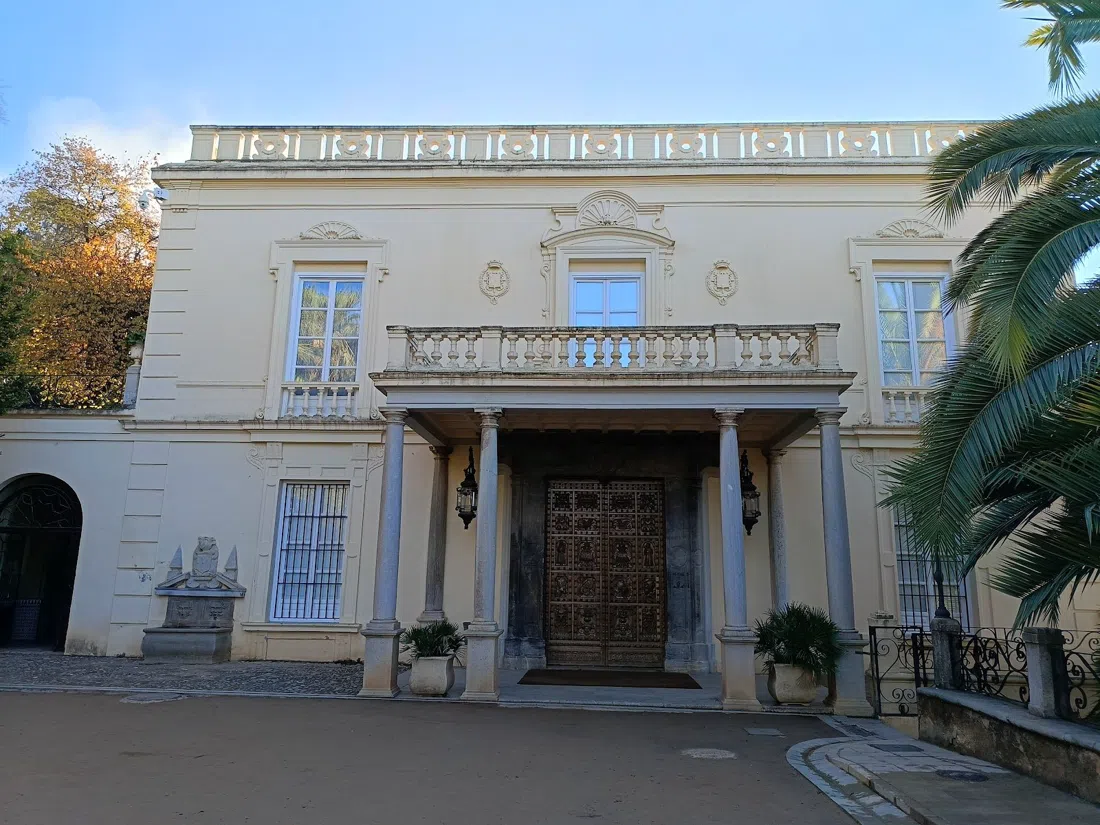
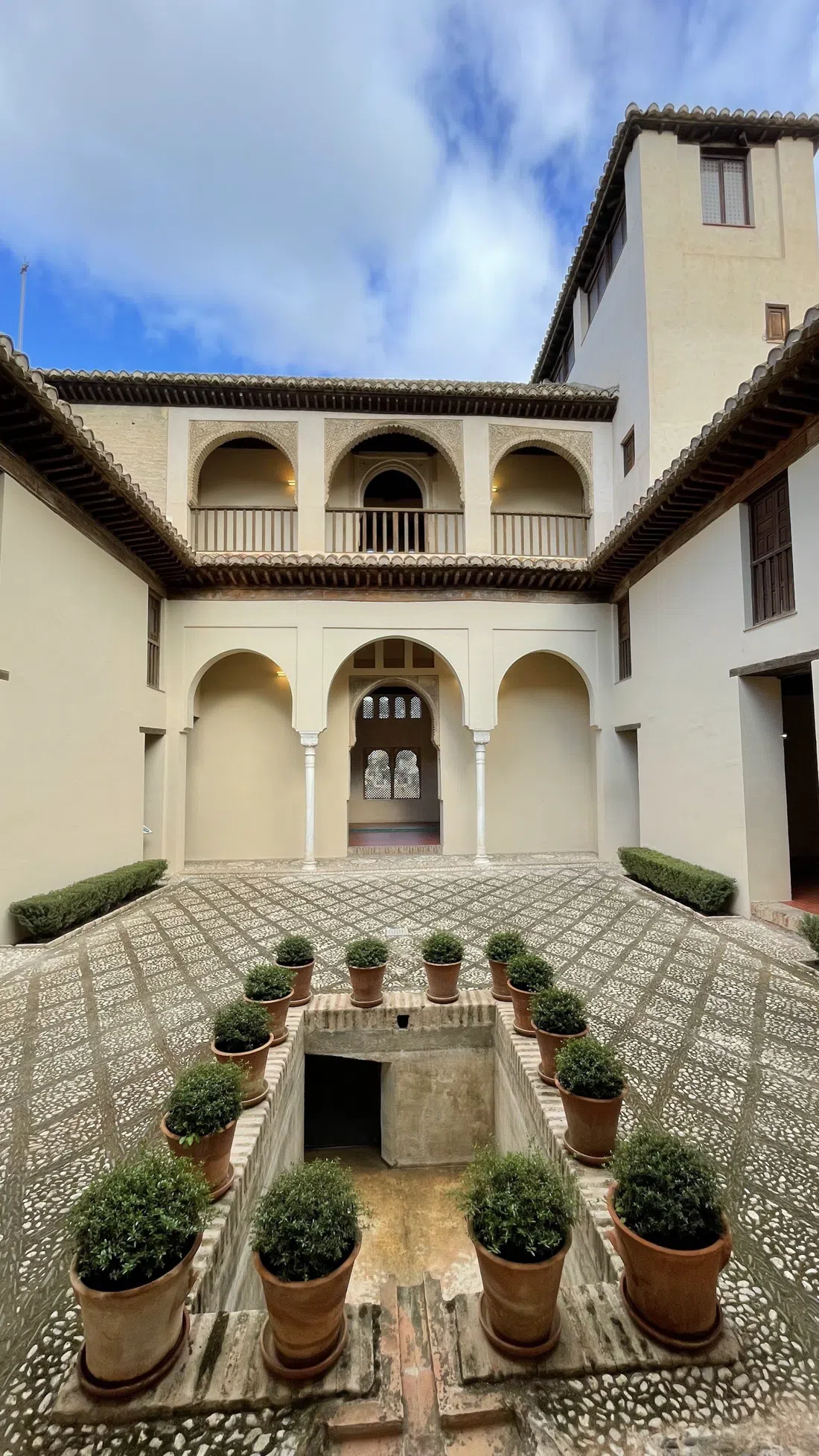
If the Nasrid slot was gone before you started planning, do not write the stop off. Palacio de Dar al-Horra (Albaicín) is a genuine Nasrid palace with the same plasterwork logic and the same inward-facing courtyard, a five-minute detour off the Albaicín walk, a few euros to enter, and almost never queued. Free-entry days apply as at other Andalusian monuments. The rooms are small, fine for a handful of people and hopeless for a coach party.
The walk ends, as it must, at Mirador de San Nicolás (Albaicín), fifteen minutes uphill from Plaza Nueva. It is a public terrace with no ticket and no door, and it takes any size group, but in the last hour of daylight it is shoulder to shoulder and the guitar players outnumber the benches. Arrive forty minutes before sunset if you want a place at the wall, or come at nine in the morning when the light is flatter and the square is yours. If the Alhambra slot is the next morning, this is the half-day gap it belongs in.
Why a second night pays for itself
One night makes Granada a rushed stop. Two make it a city, and the difference is almost entirely what happens after dark.
Museo Cuevas del Sacromonte (Sacromonte) fills the loose late-afternoon hour on the hill so you are not making a second trip up for the evening. It is an ethnographic site in restored cave dwellings, wheelchair-accessible, a few euros, free for under-11s, open 10:00 to 20:00 from 15 March to 14 October and 10:00 to 18:00 in winter, with last admission an hour before closing.

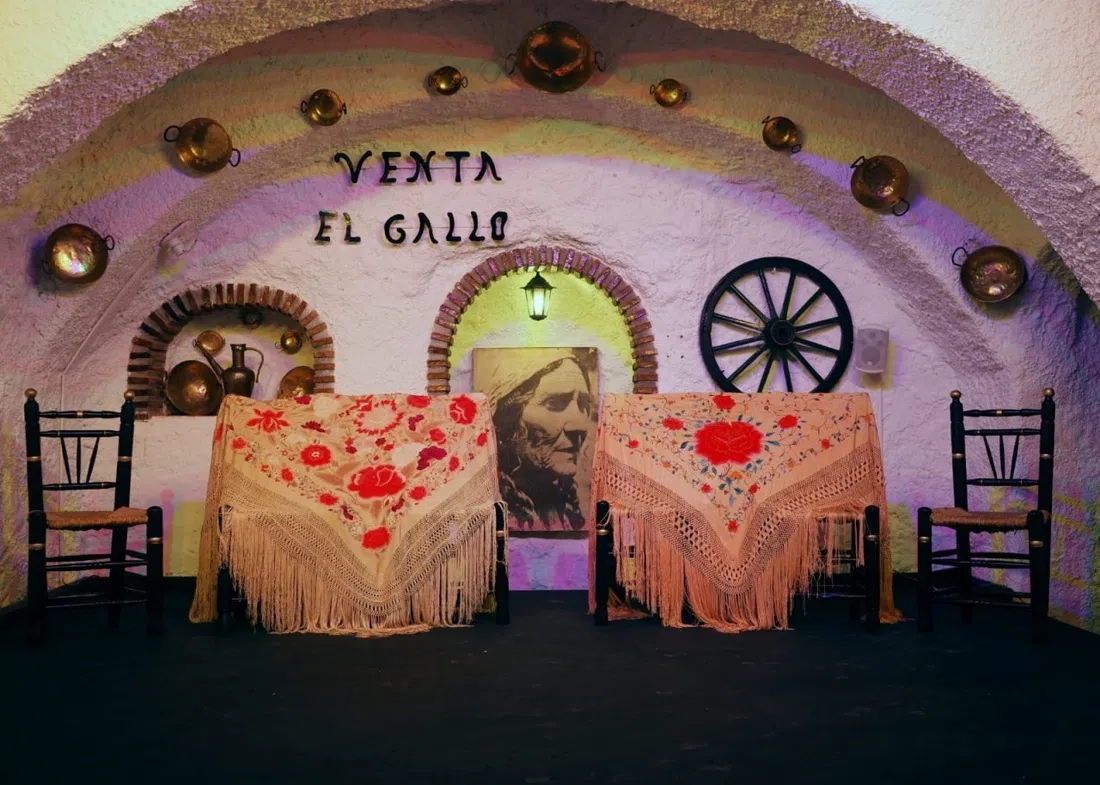
Then the zambra. Venta El Gallo (Sacromonte) is a family-run cave venue managed by Juanillo Heredia's three daughters, with performers descended from the Sacromonte flamenco lineages. It is built for groups, with cave seating in rows, show-only or show-with-dinner tiers, and coach and hotel-transfer packages handled as routine. An hour, mid-range, and the clearest argument for staying the second night.
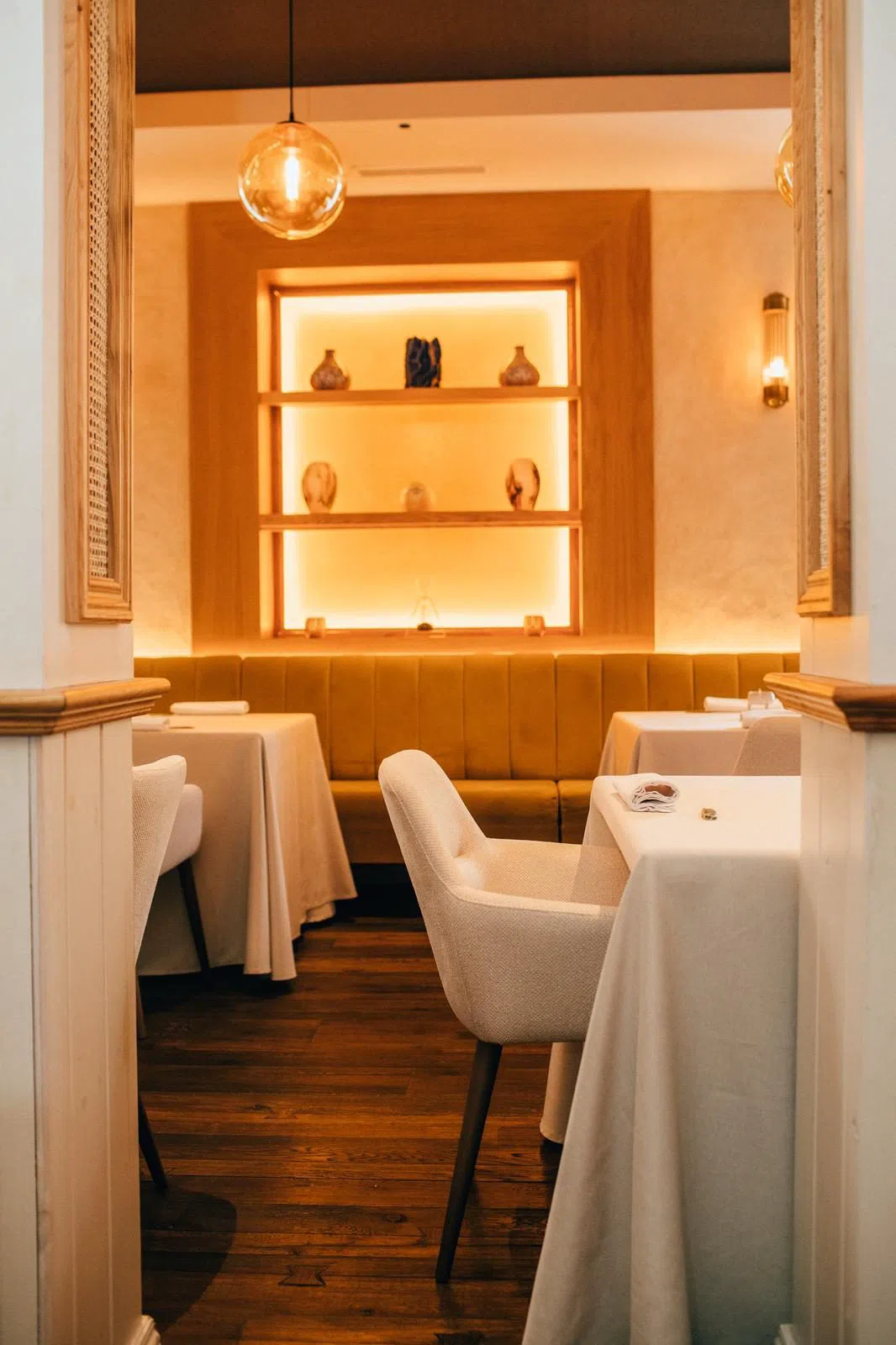
For couples who would rather spend the evening once, Faralá (a historic house in central Granada) collapses dinner and flamenco into one booking. Chef Cristina Jiménez holds Granada city's Michelin star; tasting menus run €78 to €130 with wine pairings at €38 to €72, service runs 13:30 to 23:00, and the flamenco pairing wants you seated at 19:00. It is reservation-only, the building takes no strollers or high chairs, and the menu does not change once you are seated. Private parties by email. On a two-night stop it is the biggest time saving available.
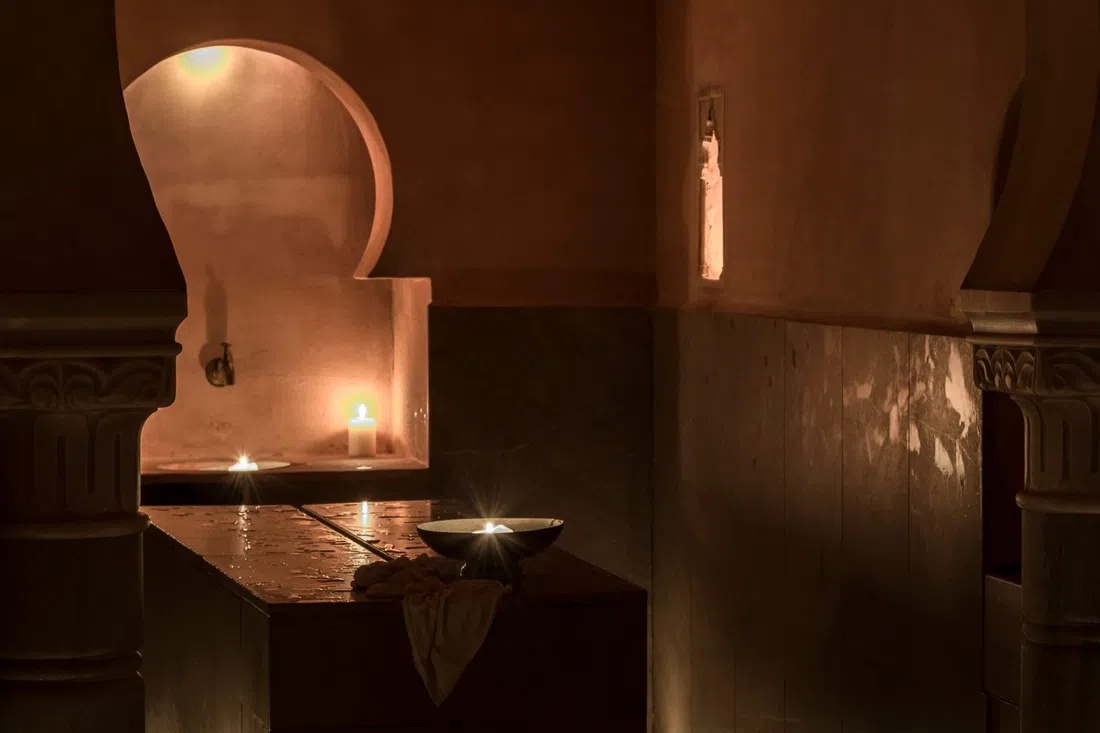
And if you arrive in the evening on a travel day with nothing left in you, Hammam Al Ándalus Granada (Calle Santa Ana, steps off the Carrera del Darro) is open 10:00 to midnight daily: €59 for a 75-minute bath with a 15-minute massage, €73 with a 30-minute massage. Slots are capped and walk-ups rarely get in, so book ahead; free cancellation closes 48 hours out. Groups are taken by arrangement on a dedicated line ([email protected], +34 958 229 978).
Eating when the day has already gone to the Alhambra
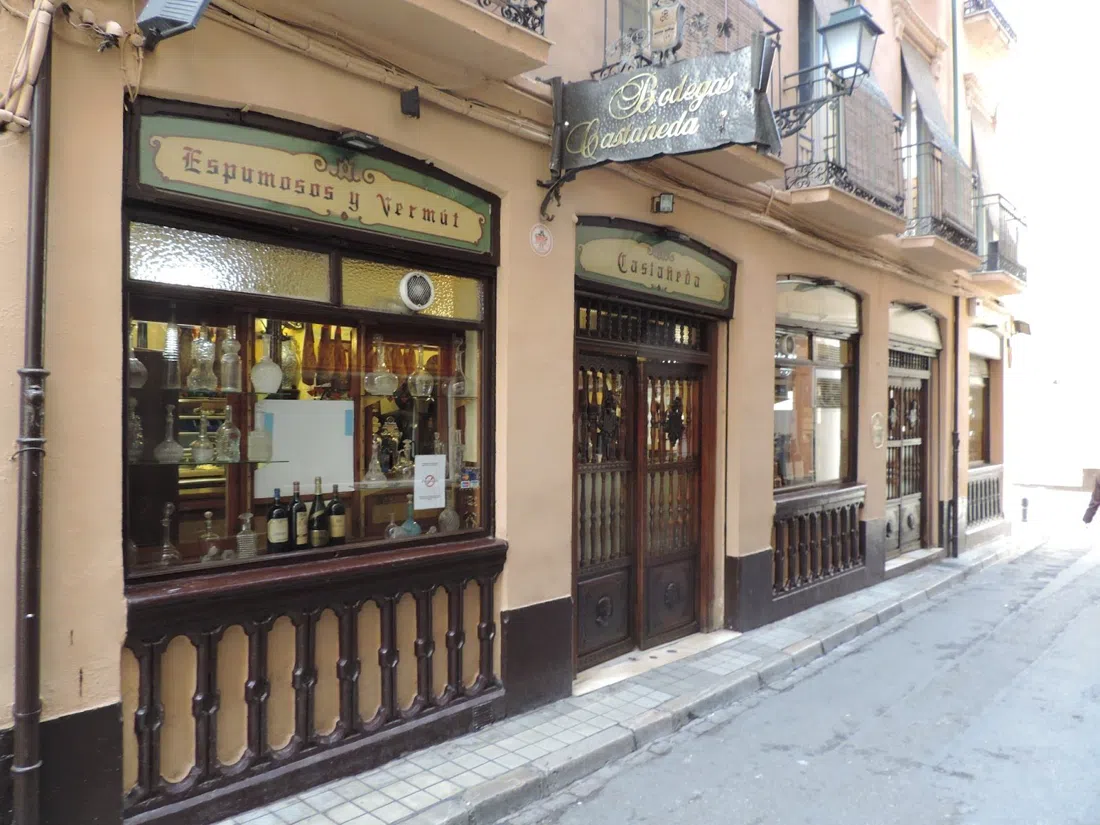
Granada still gives a free tapa with every drink, which means dinner can be a decision you never quite make. Bodegas Castañeda (two minutes from Plaza Nueva) has been pouring since 1927 and takes no reservations and enforces no door policy: a big group will simply be split up and left standing. Arrive around 17:30 for a foothold. Plates run roughly €6 to €12.50, and it is loud and packed by design.
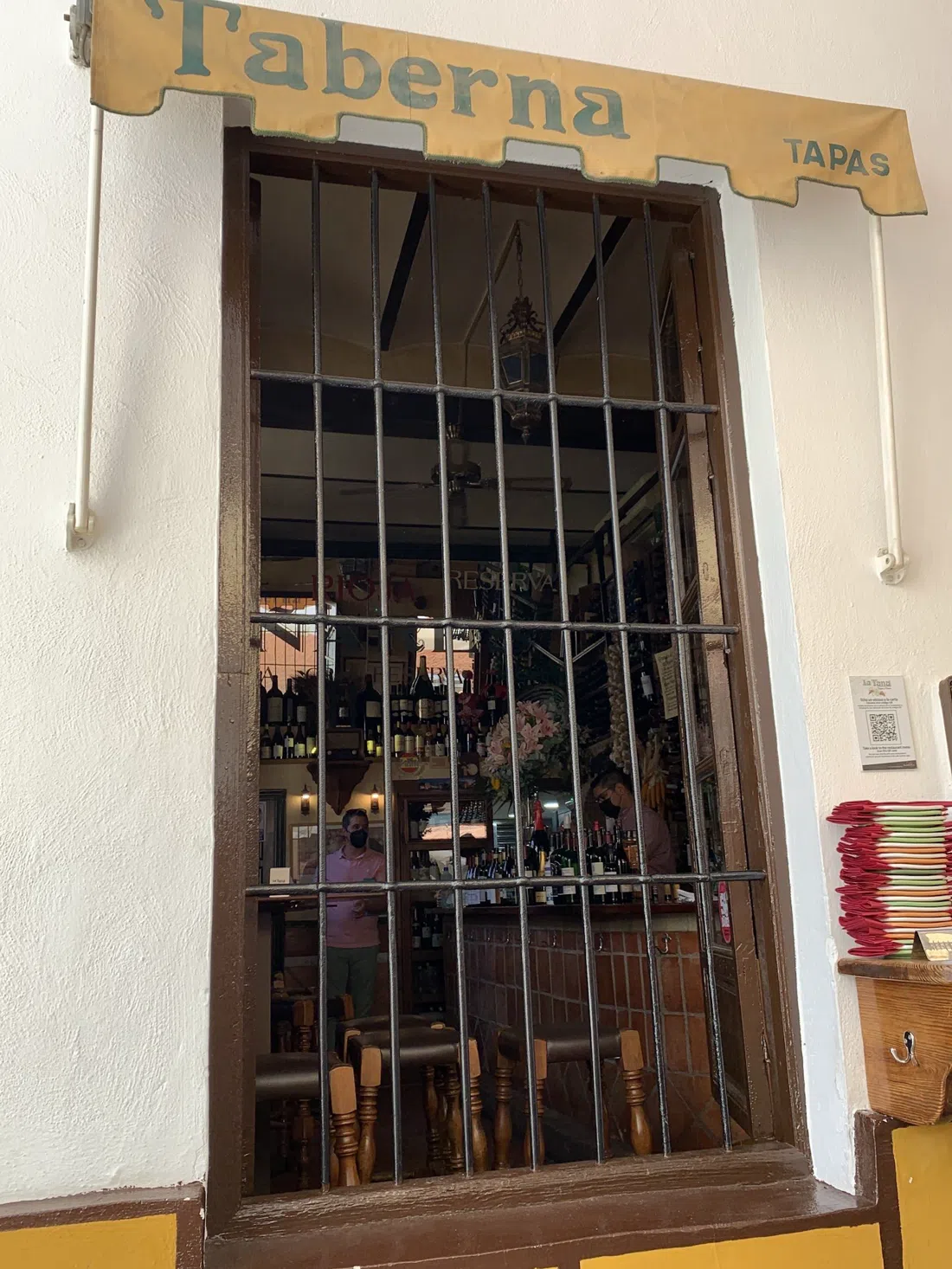
For something quieter, Taberna La Tana (Realejo) is the wine bar to walk to: open since 1993, run by sommelier Jesús González with chef Ana Martín, around 600 bottles with some 80 poured by the glass, and top of Star Wine List's Granada selection in 2026. There is effectively no group capacity, just a handful of seats and a counter that fills at opening, pairs and threes only. Check the day before you set off, as it does not keep full weekend service.
Groups, coaches and the slot you did not want
If the only Nasrid window you could get is awkward, mid-afternoon on an arrival day, say, the fix is planning rather than more tickets. Cicerone Granada (licensed guides, defined central meeting points) has operated since 2003 with English-speaking licensed guides and coach-timed itineraries built on realistic walking distances, and will guide the Alhambra on tickets you already hold, at guide-only rates. Quotes need your date and party size. For a coach group the binding constraints are worth repeating: one named Alhambra ticket per person, collection an hour before the slot, no vehicle access near the Carmen gardens, and three of the best tapas rooms in the city that will not take a booking under any circumstances.
Practical notes
Granada's railway station is walkable from the centre and the bus station is a short taxi ride out, which is what lets the city work as a day-shaped insert rather than a detour, provided the Alhambra slot is already in hand before the tickets around it are bought. Cards work almost everywhere, but carry €20 to €30 in small notes for tapas bars and taxis. Steep cobbles run through the Albaicín and Sacromonte, so bring shoes with grip and assume every uphill map estimate is optimistic by ten minutes. Budget, per person, for a full day: €22.27 for the monument, €10 to €15 across a lunch and a couple of tapas rounds, around €10 for the Cathedral and the Capilla Real together, and a few euros for a locker. Everything else costs nothing at all: the mirador, the Carmen gardens, the walk down the Darro at dusk.