The Granada issue
Granada's Cartuja quarter, from Triunfo to the Albaicín
The Baroque monastery, the Jesuit campus, the 1517 pottery and the tapas road that joins them, on the climb north out of Granada's centre.
By Camille FontaineGranada beyond the Alhambra queue
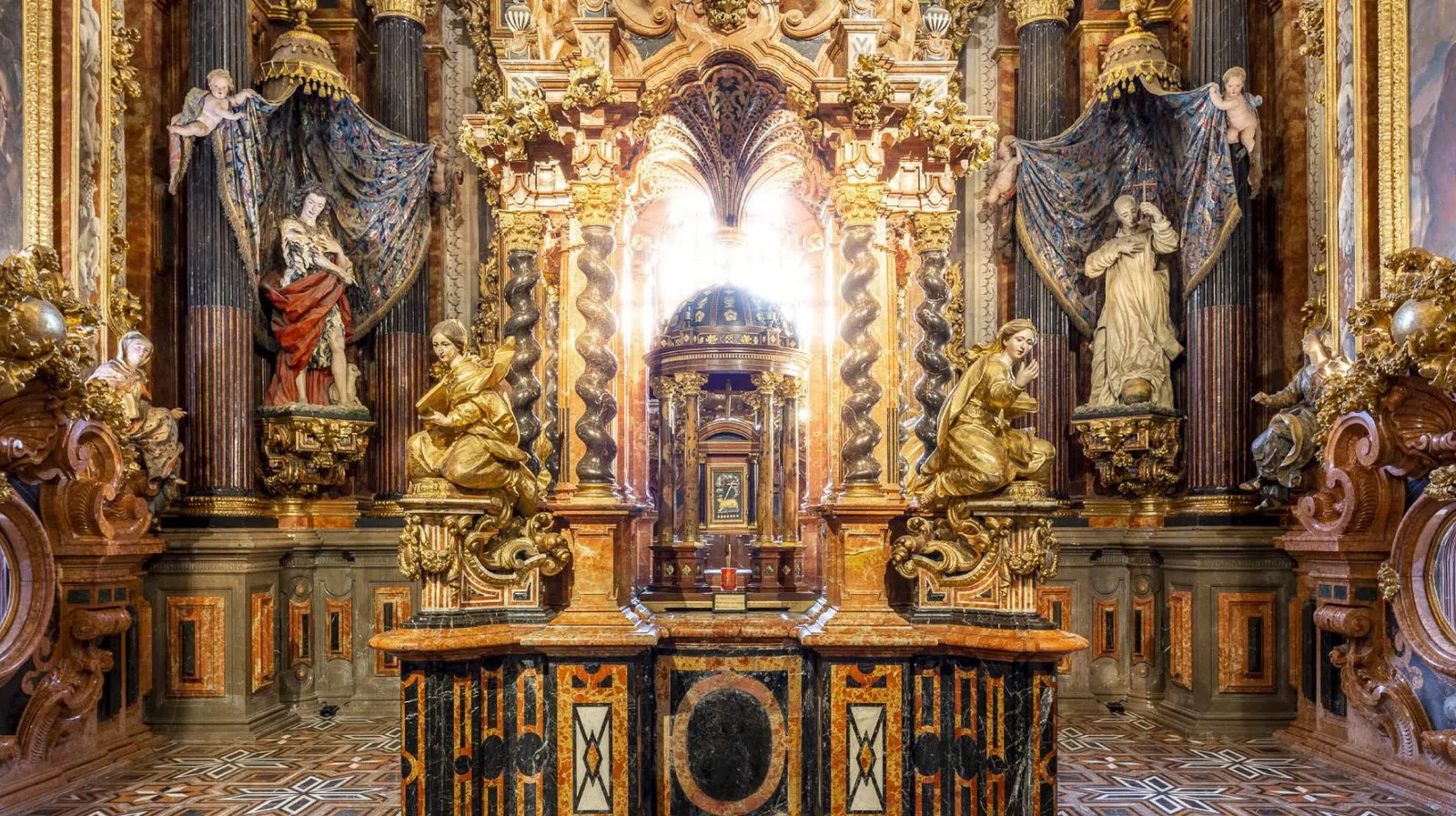
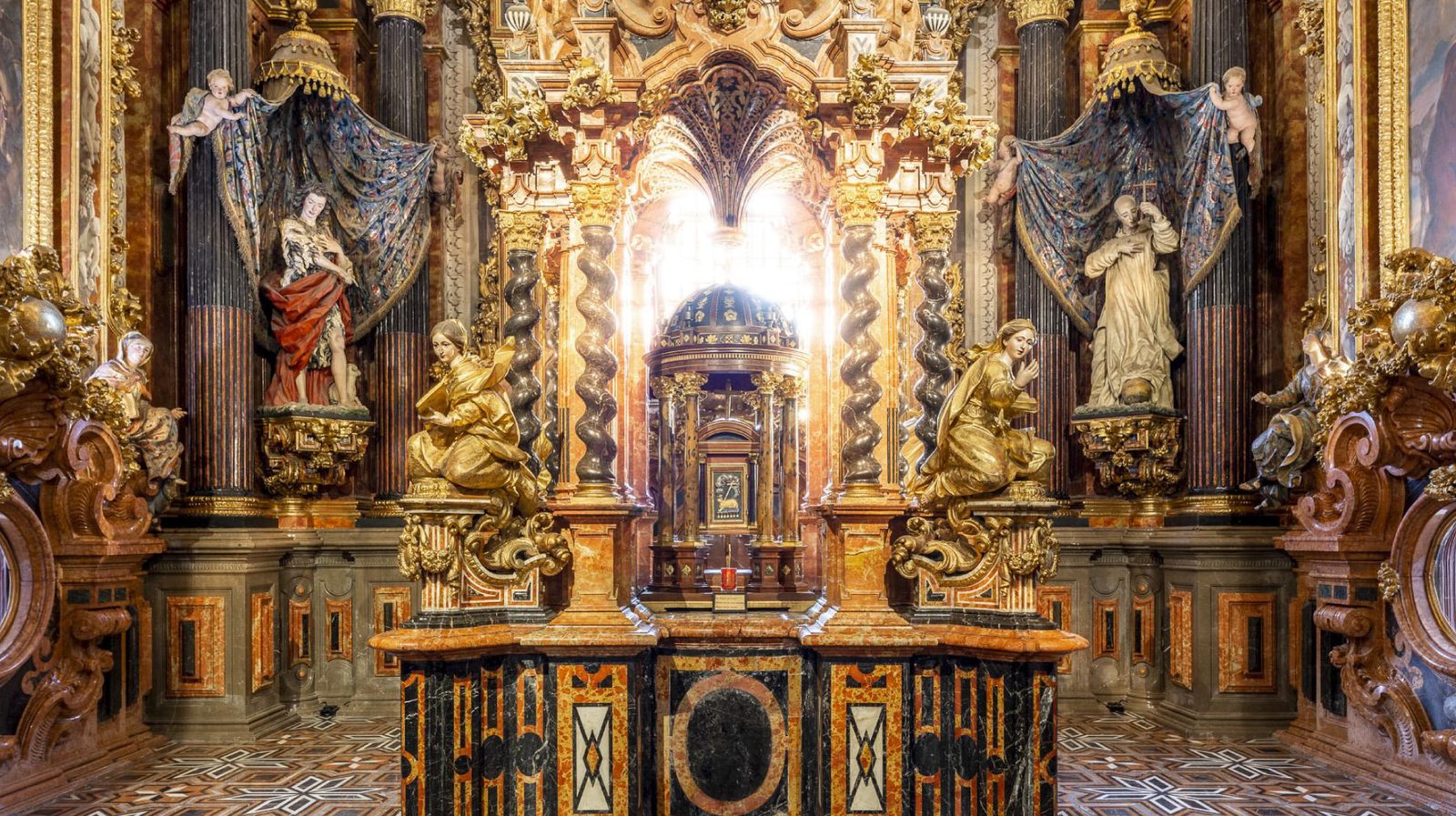
The Real Monasterio de Nuestra Señora de la Asunción, at the top of the Cartuja road, keeps a sacristy of whipped stucco and brown-and-white Lanjarón marble inlay, its cabinets worked in cedar and silver. Further down the same road, a pottery has been hand-painting blue-and-white plates since 1517, and Jesuit astronomers founded a seismic observatory in 1902. The climb begins at the Jardines del Triunfo.
The Jardines del Triunfo and the Hospital Real
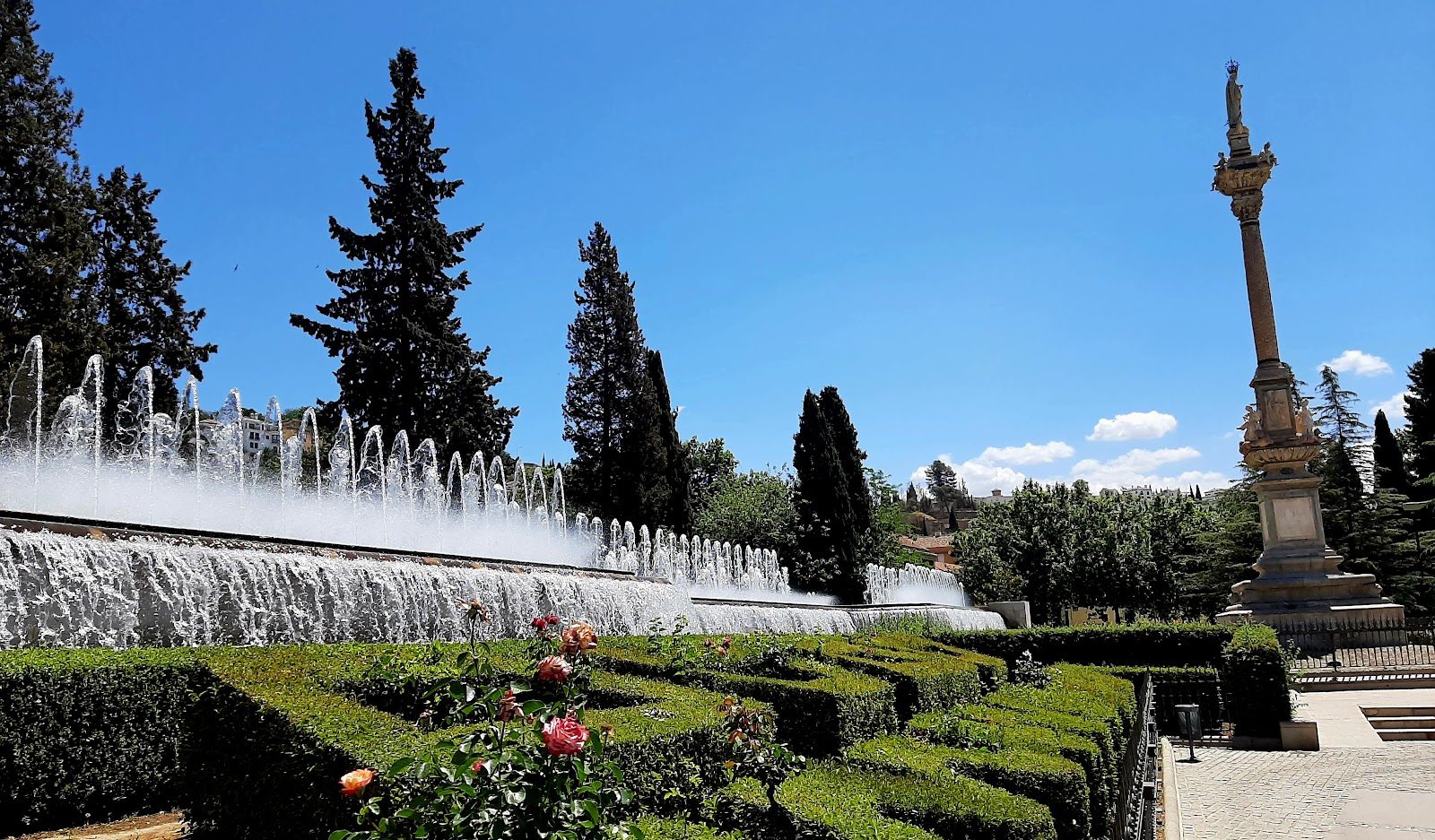
The gardens are where the city centre hands over to the Cartuja axis, and most walks up begin here. They cover 14,000 m² of sloping terraces, and a 75-metre fountain runs up to a stone column of 1618 bearing the Immaculate Conception, lit gold after dark against the Hospital Real behind it. The park is open from 08:00 to 01:00, and the fountain at night is worth doubling back for. The Puerta de Elvira city gate stands just off the gardens.
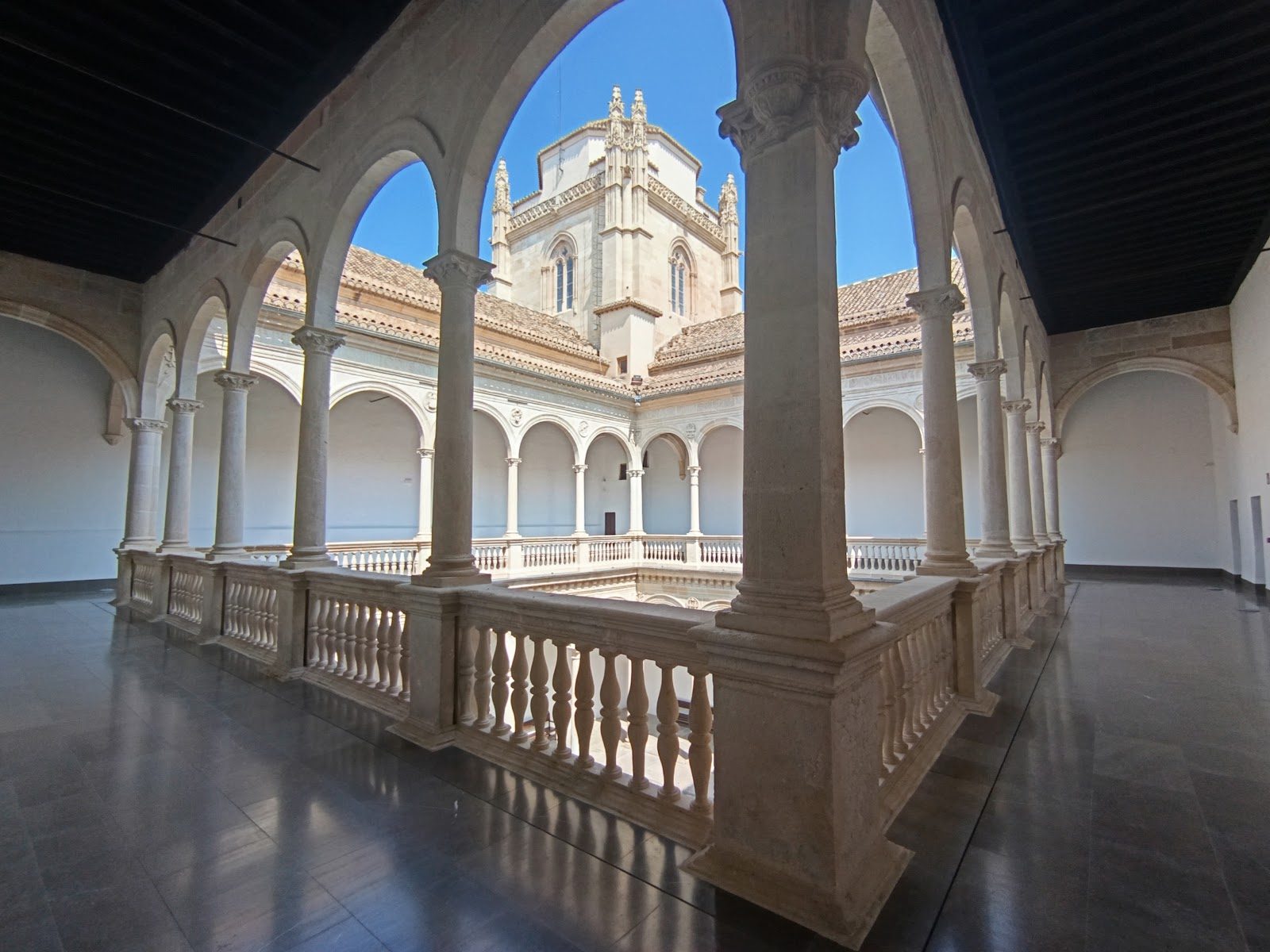
The Hospital Real (Rectorado, Universidad de Granada) was begun by Ferdinand and Isabella and now holds the university's rectorate and main library. Its stone façade is severe, the Plateresque doorway carved with the Catholic Monarchs' yoke and arrows. Inside are four arcaded patios and a timber coffered ceiling, and in the lower crossing a 19th-century pharmacy of labelled apothecary jars. Entry is free and covers the hall, the patios, the chapel exhibition room, the crossing and the gardens, which makes it the grandest free interior on the Cartuja approach. It opens 09:00 to 21:00 in winter, and the doors close at 19:00 in summer. The building works as a university office and shuts at weekends, so time the detour for a weekday.
Plan your Granada trip
Live prices from our booking partners.
Free cancellation on many rooms. We may earn a commission when you book.
The monastery on Real de Cartuja
The interior is one of Spain's most extravagant Baroque works, and reason enough on its own to walk north of the centre. Stucco is whipped across the sacristy walls above the marble panels, and the Sancta Sanctorum stands on twisted polychrome marble columns under a frescoed dome. Outside, the cloister is plain ochre and white, planted with orange trees.
Sunday to Friday the doors run 10:00 to 18:30. Saturday comes in two halves, 10:00 to 12:15 in the morning and 15:00 to 17:30 in the afternoon. Adult groups pay €7 a head, school groups €5. One teacher comes in free per 10 pupils, and group visits are booked through [email protected].
The Jesuit campus and the observatory
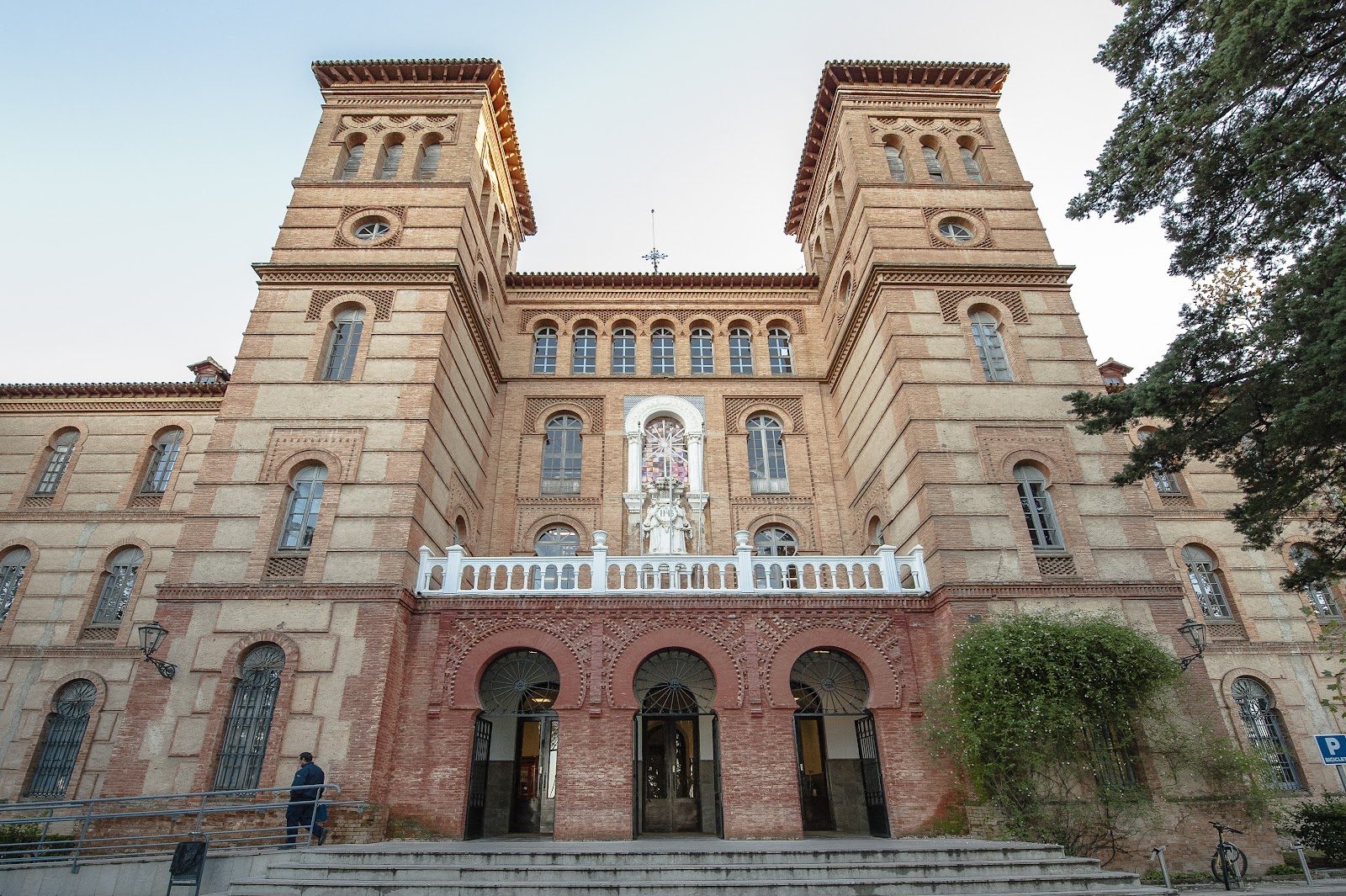
Colegio Máximo de Cartuja (Campus Universitario de Cartuja) is a red-brick neo-Mudéjar block the Jesuits raised between 1891 and 1894, with four square corner towers, horseshoe-arch windows and tiled detailing. It has been protected as a historic-artistic monument since 1983 and now houses the Faculties of Communication and Documentation and of Dentistry. Four courtyards sit inside with students crossing between them, and this is the quietest walking in the quarter. In term time you walk in freely. The old Jesuit chapel, 860 m², is now the Sala Neomudéjar and opens only for exhibitions and bookings.
The Observatorio de Cartuja, home of the Instituto Andaluz de Geofísica, is a small cross-plan neoclassical pavilion with a metal-clad hemispherical dome, Ionic half-columns framing the door under a triangular pediment. It was once among the world's leading seismic stations, and in the records room drum seismographs still trace ink lines onto paper. Visits are free on weekday mornings between 09:00 and 13:00, by emailed request form. The main talk takes up to 50 people, the seismic records room 15 and the instrument collection 10. Email well ahead, since the visits run on staff availability. It appears on almost no tourist itinerary.

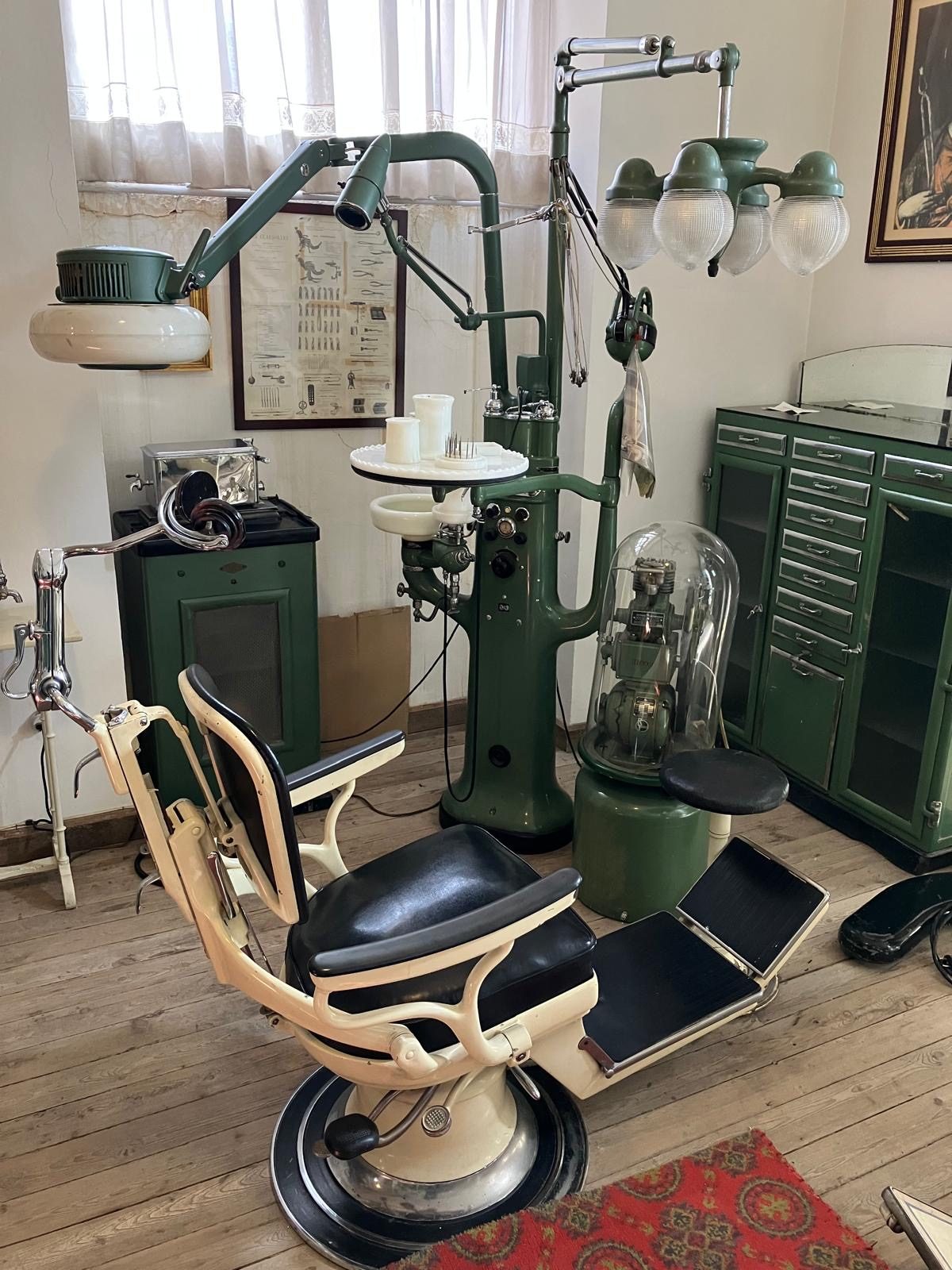
Inside the Colegio Máximo, the Museo Dental Miguel Guirao holds 800 pieces collected by professor Miguel Guirao. Eight period rooms recreate a turn-of-the-century dental school, with treadle-powered drills, porcelain spittoons and glass cabinets of forceps and plaster casts, and a reconstructed waiting room and prosthetics workshop complete it. Entry is free and takes half an hour, by appointment only. Email the curator at [email protected] before you come, because anyone who turns up unannounced finds the door locked.
Fajalauza and the way down into the Albaicín
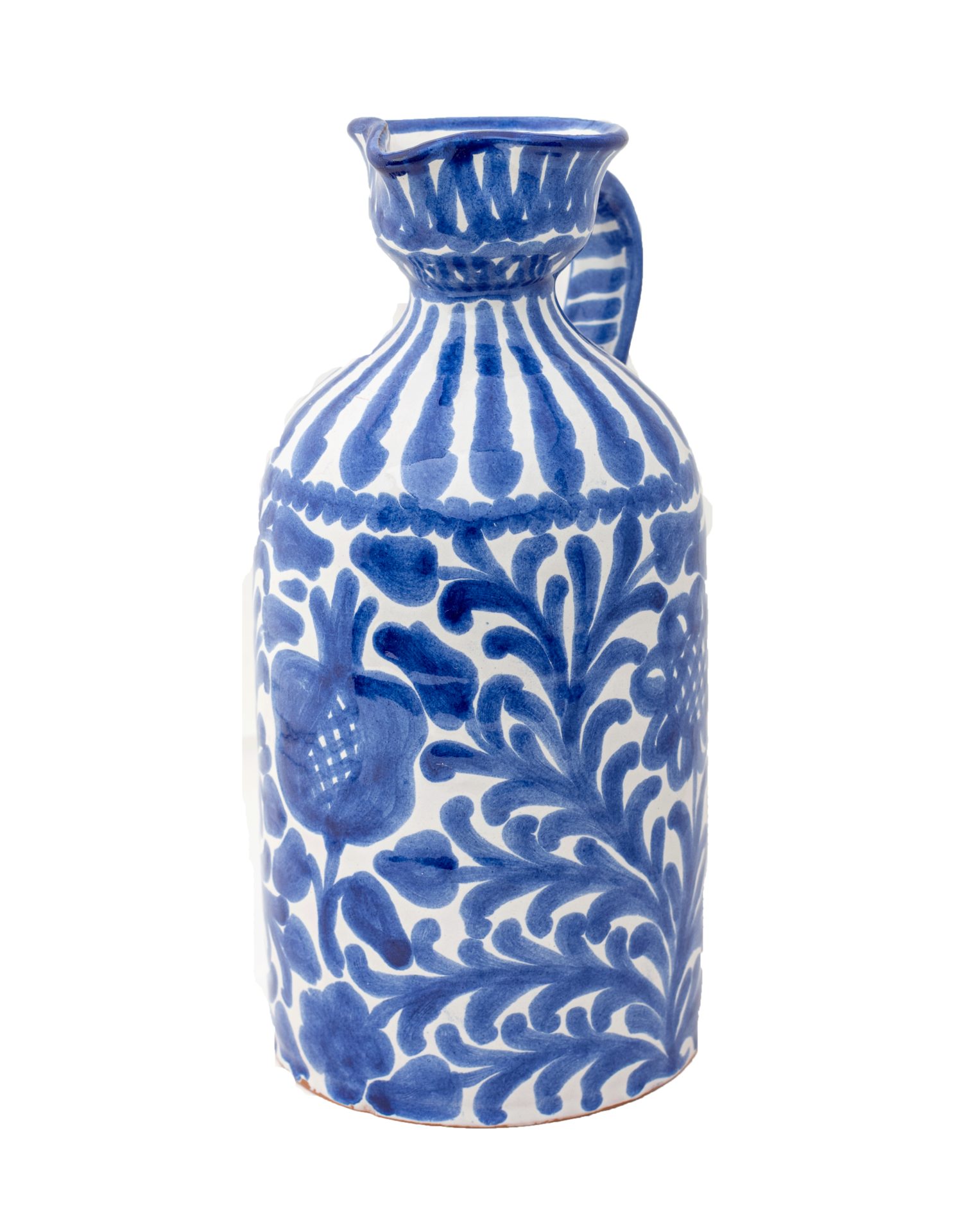
Cerámica Fajalauza (Carretera de Murcia 166) sits where the Cartuja road meets the top of the Albaicín. Behind the red gate, white tin-glazed plates stack up hand-painted in cobalt blue with pomegranates and birds, potters work at the wheels and old brick kilns stand behind them. The shop opens on weekdays from 09:00 to 18:00 and closes at weekends. Wheel-throwing and traditional-painting workshops are booked through the foundation, and they are the one thing in the quarter you do with your own hands.
The Puerta de Fajalauza, 100 metres on, gives the pottery its name. The gate is a plain brick horseshoe arch set into the rammed-earth Zirí wall of the 11th century, the surviving north gate of the old city wall. From it the wall runs downhill between whitewashed houses on Cuesta de San Gregorio Alto. The street is open at any hour and free, and it is the link between Cartuja and the old Moorish town.
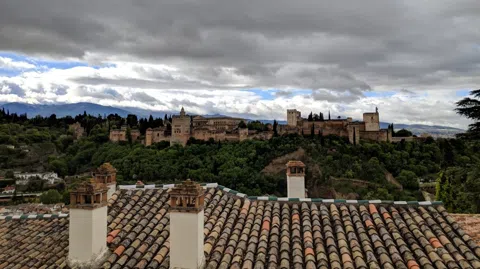
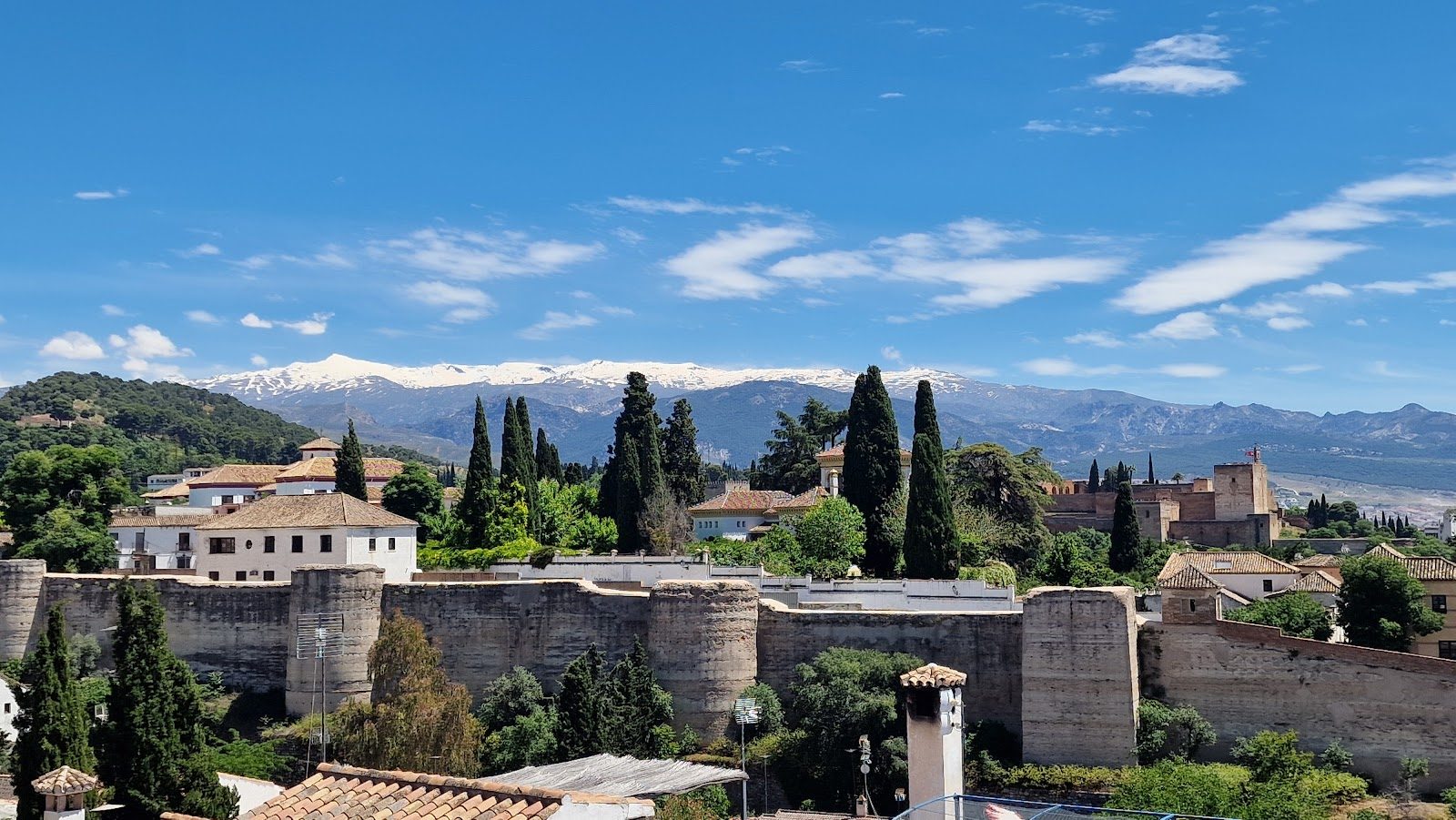
The Mirador de San Cristóbal (Carretera de Murcia) is a low stone terrace beside a small whitewashed church, and the reward on the walk down. The ochre Zirí wall steps down the slope in the foreground, with the cathedral roofs, the Alhambra and the Sierra Nevada ridgeline behind. The panorama is fuller than San Nicolás and less crowded. It is free and unenclosed at all hours, and coaches sometimes stop here.
Eating and drinking on Real de Cartuja
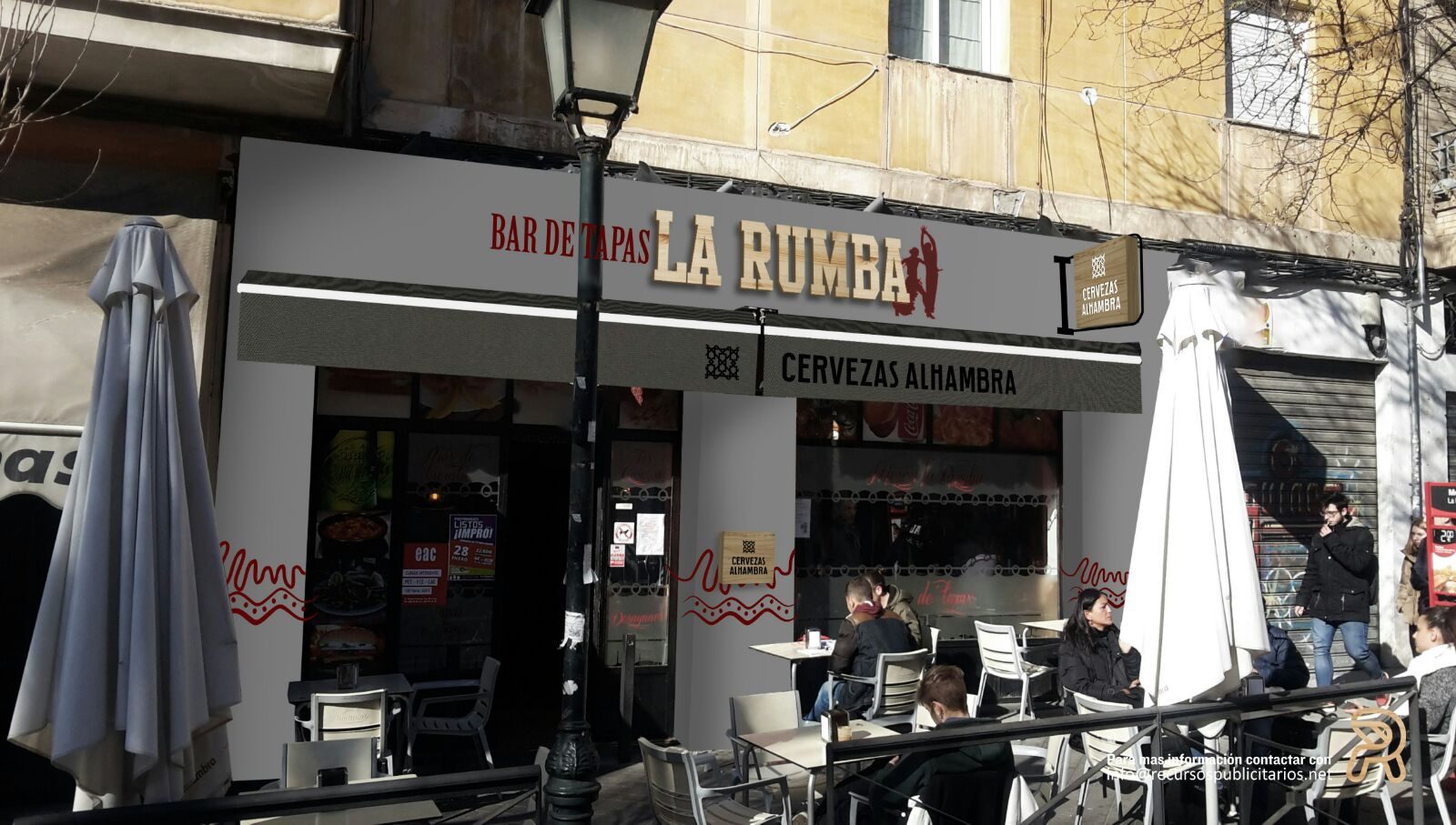
Mesón la Rumba (Real de Cartuja 63) is plain, loud and strip-lit, with benches of students packed along the tables and Andalusian music over the noise. A free plate lands with every drink. Order five tapas and three rounds and two people still stay under €20. The vegetarian and vegan plates are unusually good. Nobody takes bookings, and the bar closes at weekends, so pair it with a weekday run at the monastery.
Café Bar Cartuja (Real de Cartuja 50) serves the best breakfast on the road, off a chalkboard that changes with whatever the kitchen got in that morning. Hams hang behind a short zinc counter and the coffee machine works beside them. The room is small, with pavement tables for good weather. It opens Monday to Friday from 08:00 to midnight, Saturday mornings only, and shuts on Sunday.
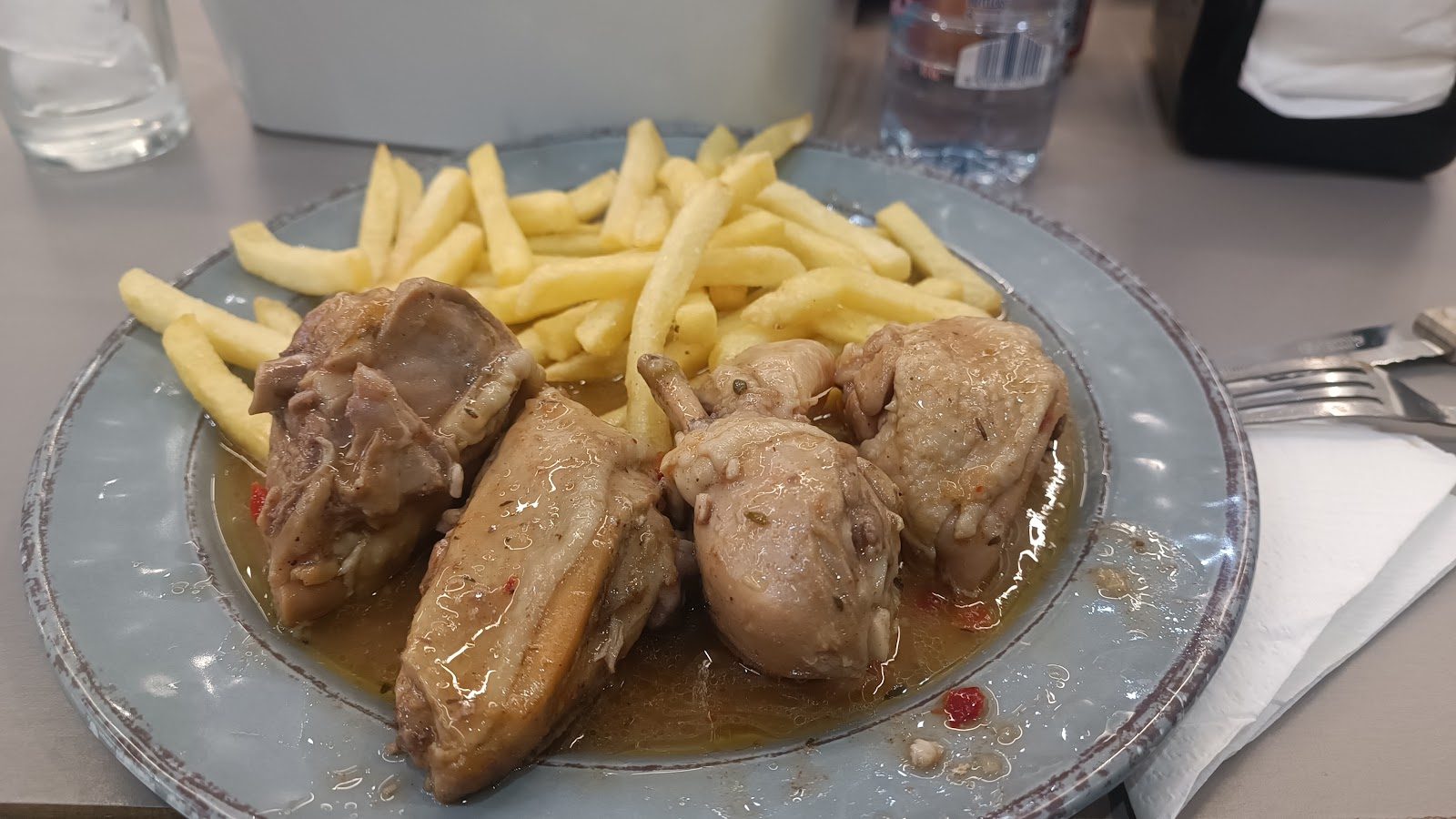
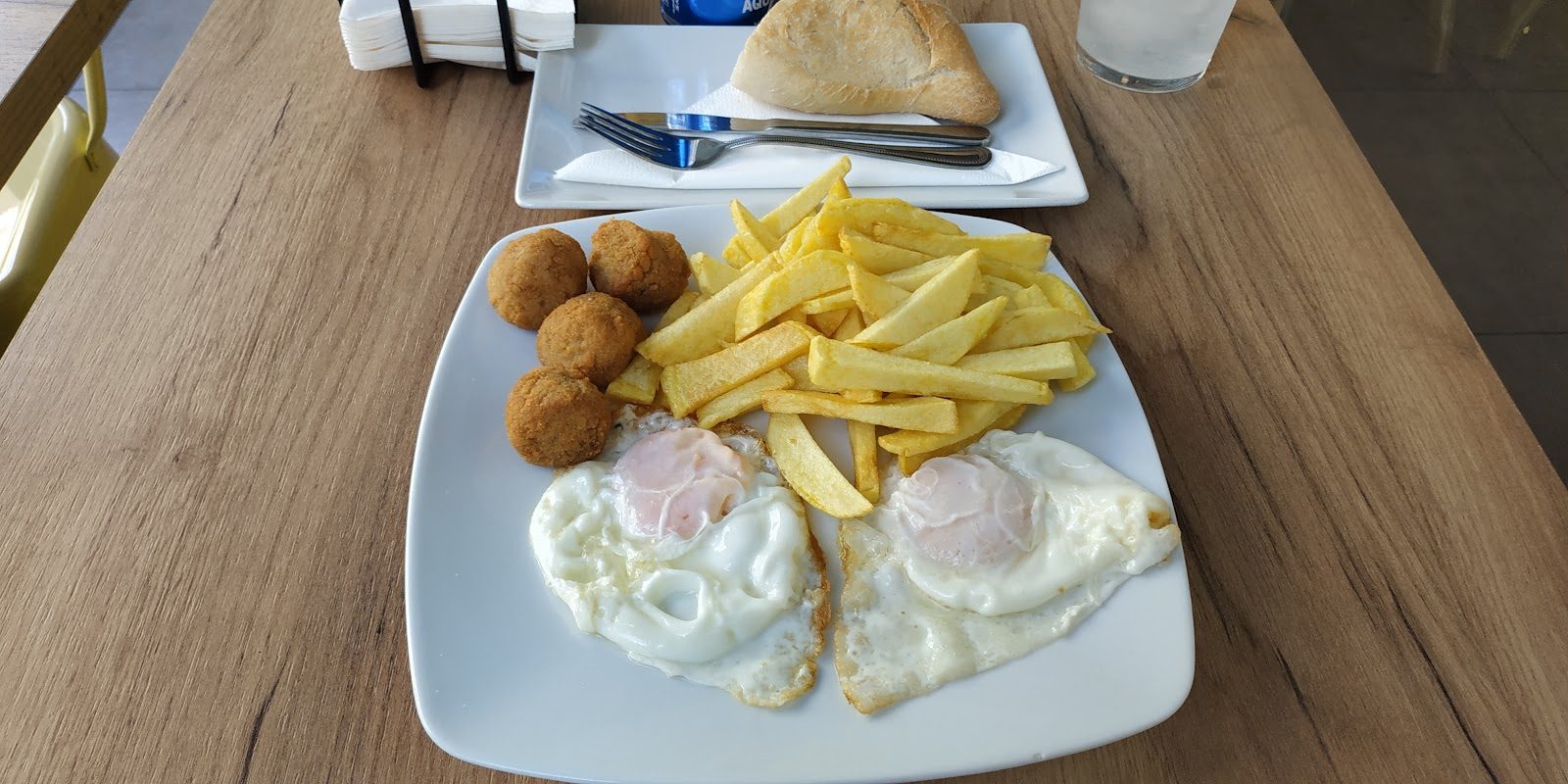
LF Café Bar (Real de Cartuja 32) keeps a Galician kitchen in the middle of the quarter, with octopus and empanada out on the counter. The furniture is mismatched, bookshelves and artwork cover the walls, and dogs sleep under the tables. Hours are daytime, so take it as a lunch stop. It is the nicest place in Cartuja to sit and read between the monastery and the campus.
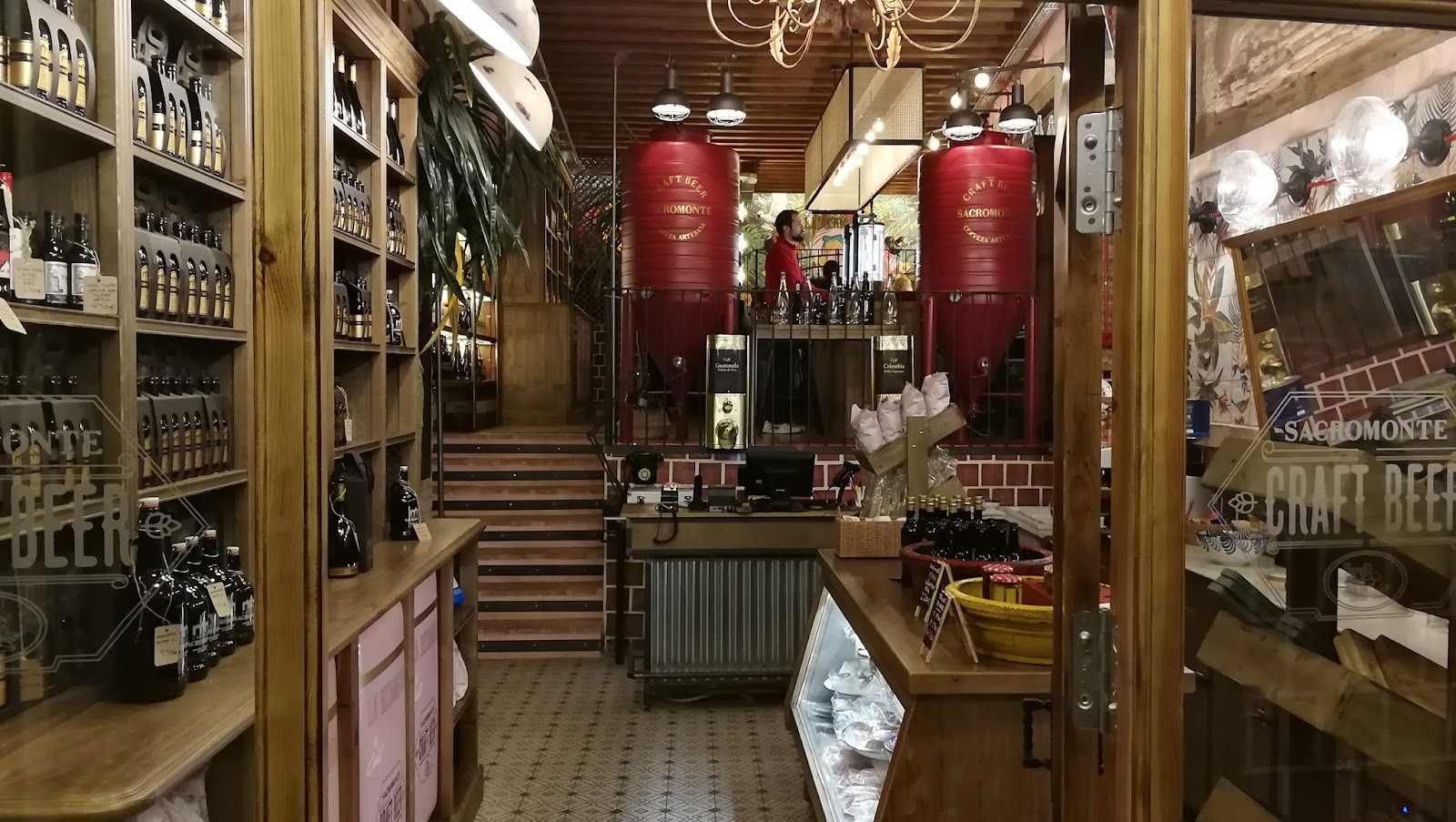
El Fermentador (Calle San Juan de Letrán) pours from ten taps, with a fridge wall of more than 80 bottles against bare brick and blackboard beer lists. Burgers come out of an open kitchen. It stands below the campus near the Hospital Real, and the university crowd fills it on Friday evenings, so arrive early or call to hold a table. Prices sit at €€. It closes on Sundays and its listed hours drift, so telephone before you walk down.
Staying in Cartuja
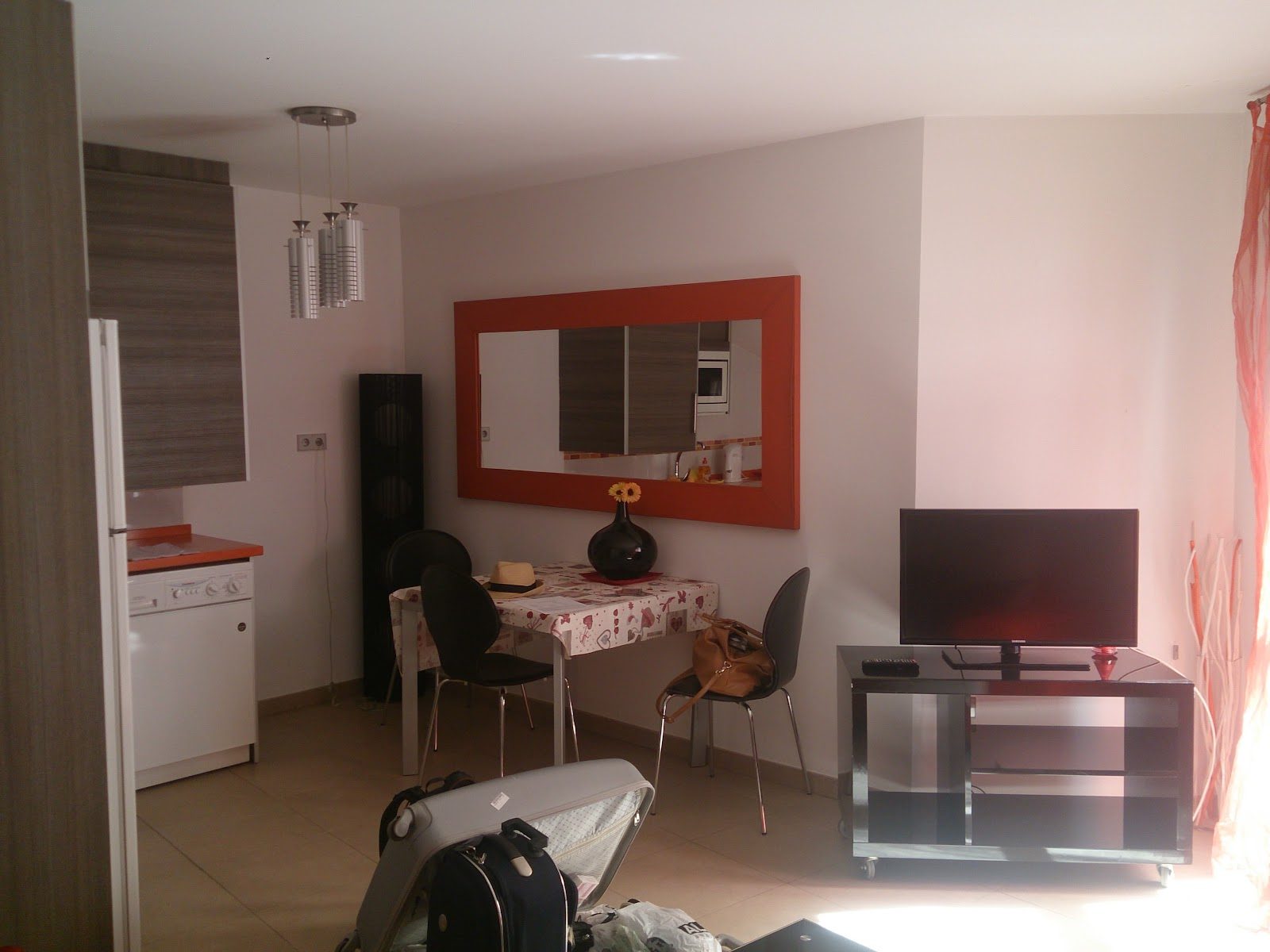
Real de Cartuja Apartments & Suites (Real de Cartuja 12) is about the only visitor accommodation inside the quarter itself, a modern mid-rise with full kitchens and a private car park below. The rooftop solarium looks over the Albaicín rooftops toward the Alhambra. Rates run €75 to €130 a night, and no address in the old town can offer you the parking.
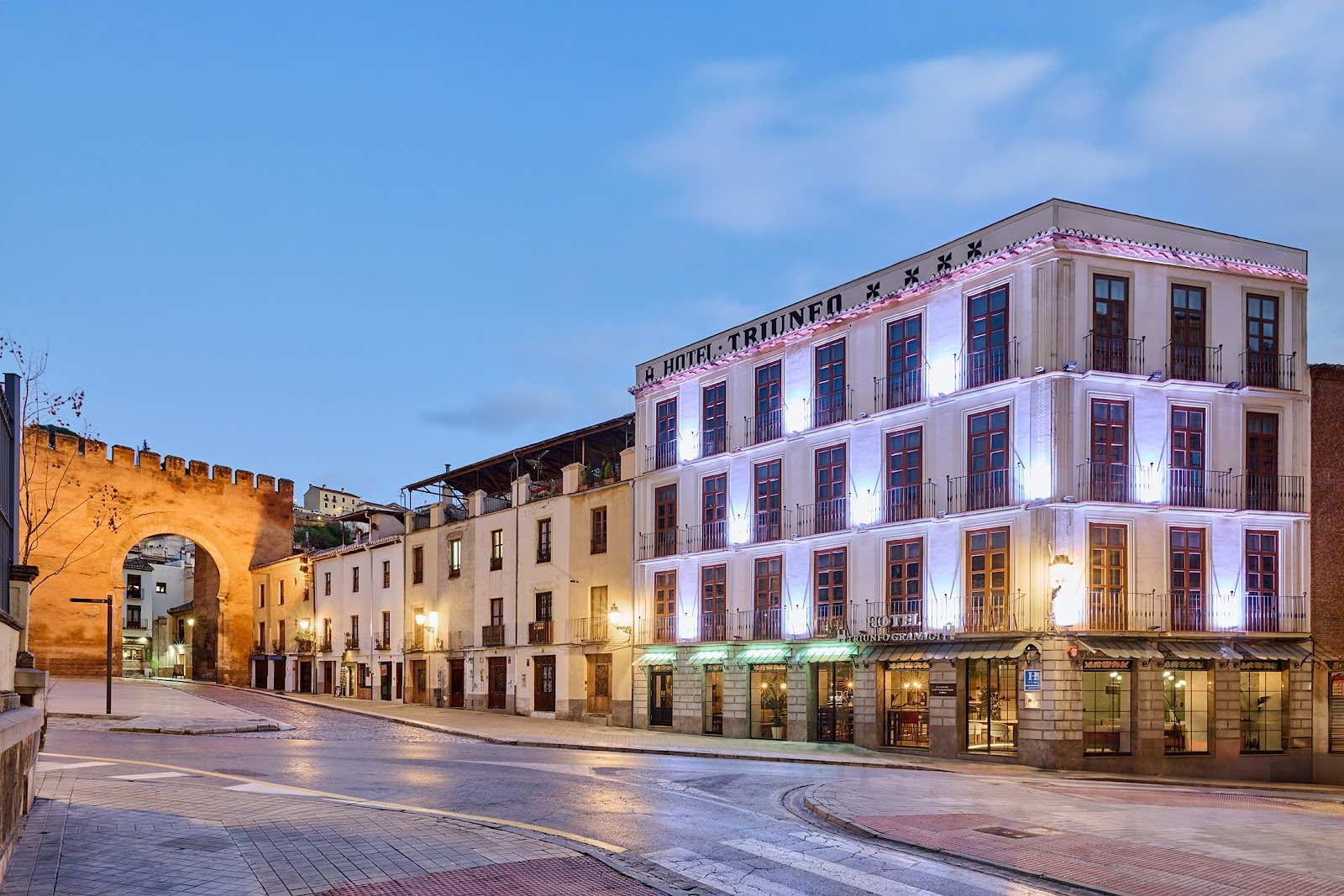
Boutique Hotel Luna Triunfo Granada (Plaza del Triunfo 19) was rebranded from the Exe Triunfo and fully refurbished in December 2025. The four-star townhouse faces the illuminated fountain and the Immaculate column, with a breakfast room off the lobby, and it stands exactly where the Cartuja road begins. The monastery is 20 minutes up, the centre 10 minutes down. Prices sit at €€€.
Closed days and bookings
The Hospital Real, the observatory, Cerámica Fajalauza and Mesón la Rumba all keep weekday hours, and the monastery breaks for lunch on Saturday. Email ahead for the observatory and the Museo Dental, and telephone El Fermentador before you set out. See the Granada guide and the Granada hotel search.
Gallery
Cartuja in pictures
Cartuja — your questions
What are the opening hours of the Cartuja monastery in Granada?
It opens 10:00 to 18:30 Sunday to Friday. Saturday comes in two halves, 10:00 to 12:15 and then 15:00 to 17:30. Adult groups pay €7 a head, school groups €5, booked through [email protected], with one teacher free per 10 pupils.
Can you visit the Cartuja observatory?
Yes. The Observatorio de Cartuja, home of the Instituto Andaluz de Geofísica, takes free visits on weekday mornings between 09:00 and 13:00, arranged by emailed request form. The main talk holds up to 50 people, the seismic records room 15 and the instrument collection 10, and dates depend on staff availability.
What is open in Cartuja at the weekend?
The Hospital Real, the observatory, Cerámica Fajalauza and Mesón la Rumba all keep weekday hours. The monastery opens on Saturday with a lunch break, Café Bar Cartuja does Saturday mornings, and the Mirador de San Cristóbal and the Puerta de Fajalauza stand in the open street, so any hour works.
Is the Mirador de San Cristóbal a better view than San Nicolás?
The panorama is fuller and less crowded: the ochre Zirí wall steps down the slope in the foreground, with the cathedral roofs, the Alhambra and the Sierra Nevada ridgeline behind it. There is no gate and no ticket, and it is open at all hours.
Where can you stay in the Cartuja quarter?
Real de Cartuja Apartments & Suites, at Real de Cartuja 12, is about the only visitor accommodation inside the quarter: €75 to €130 a night, full kitchens, a private car park. Boutique Hotel Luna Triunfo Granada, on Plaza del Triunfo 19, sits where the Cartuja road begins, 20 minutes' walk below the monastery.
Do you need an appointment for the Museo Dental Miguel Guirao?
Yes. The museum inside the Colegio Máximo takes individuals and groups by appointment only, so email the curator at [email protected] in advance. Entry is free and the visit takes about half an hour.